Last updated November 25, 2026
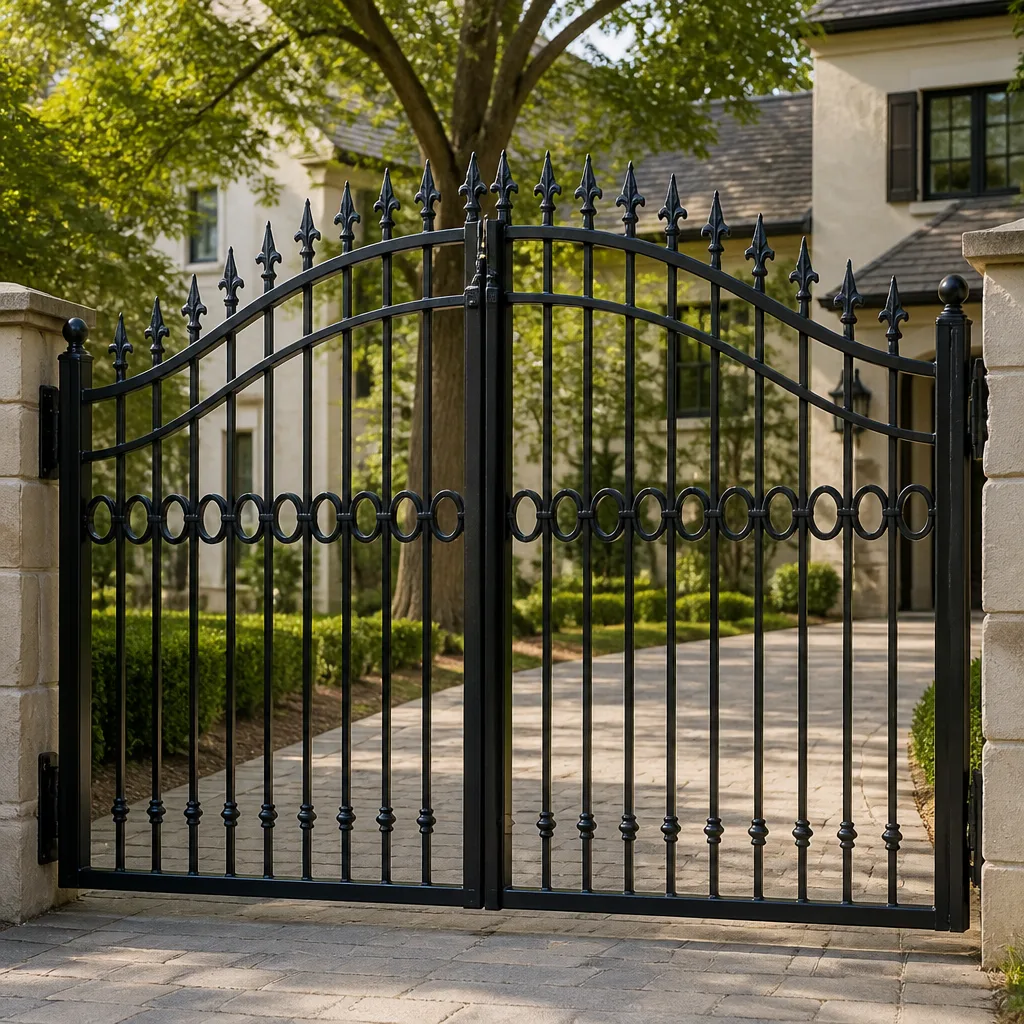 Wrought iron
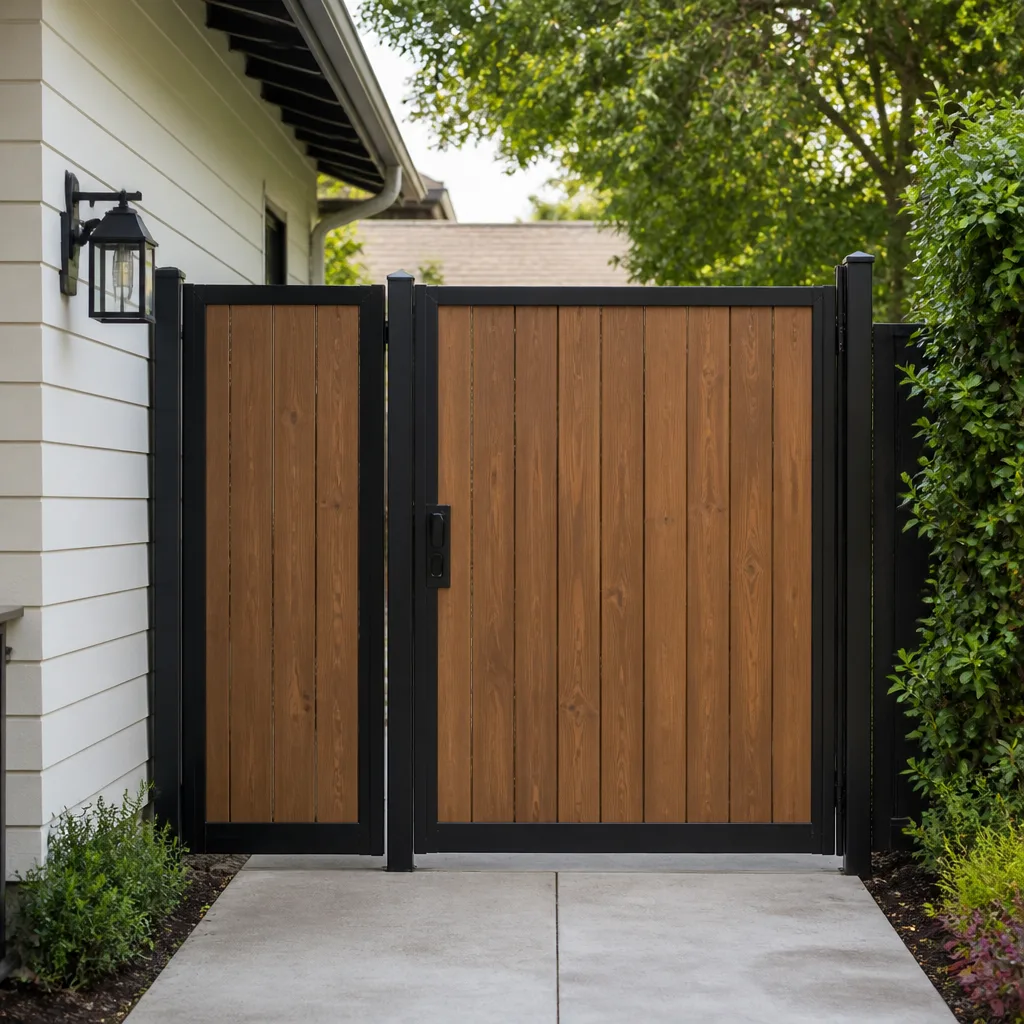 Wood & steel frame
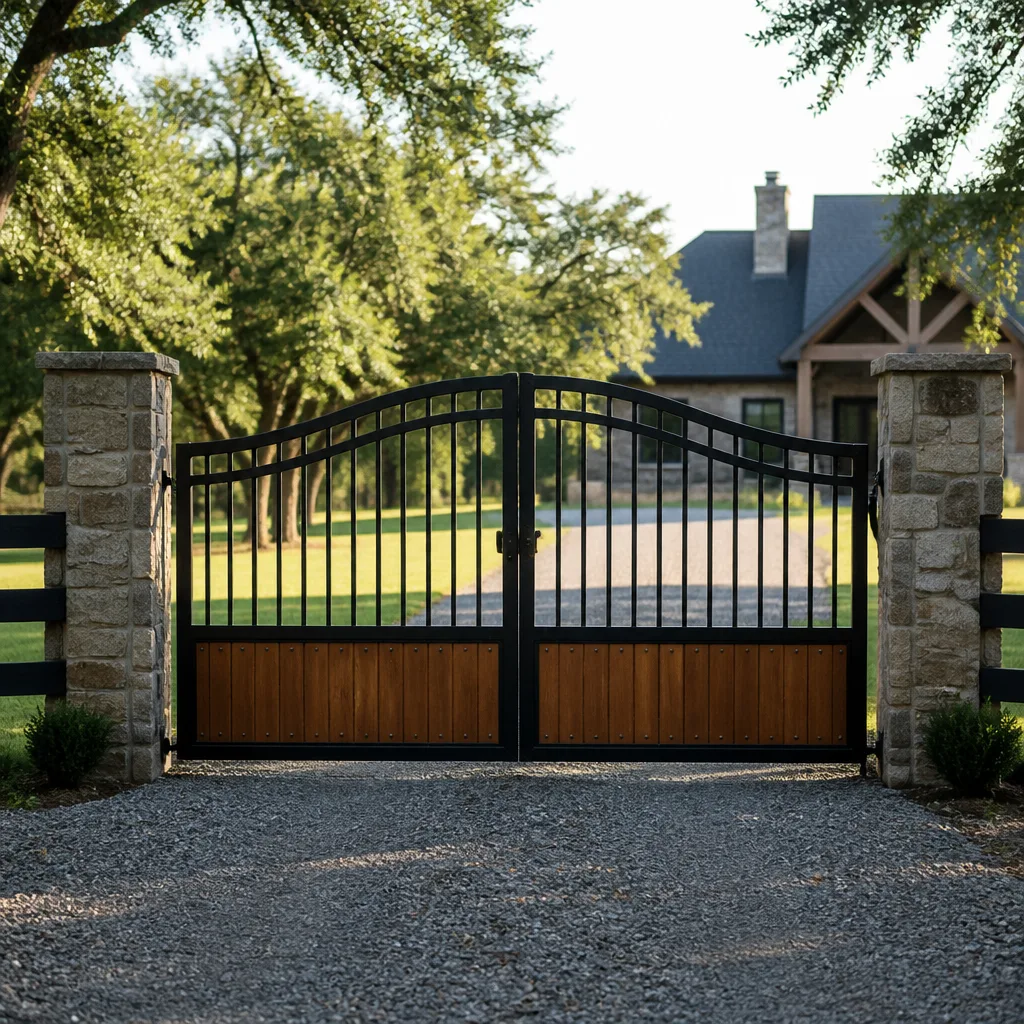 Farm & ranch
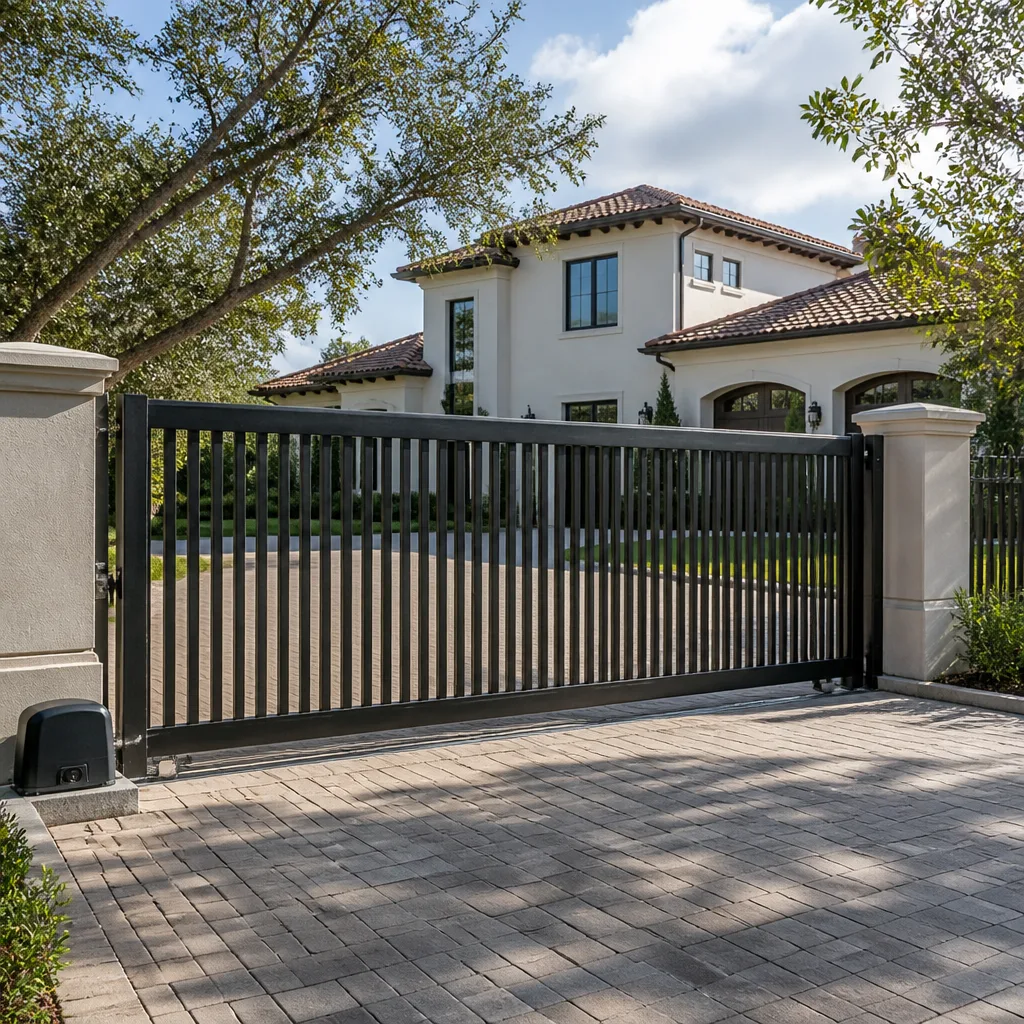 Sliding driveway gates
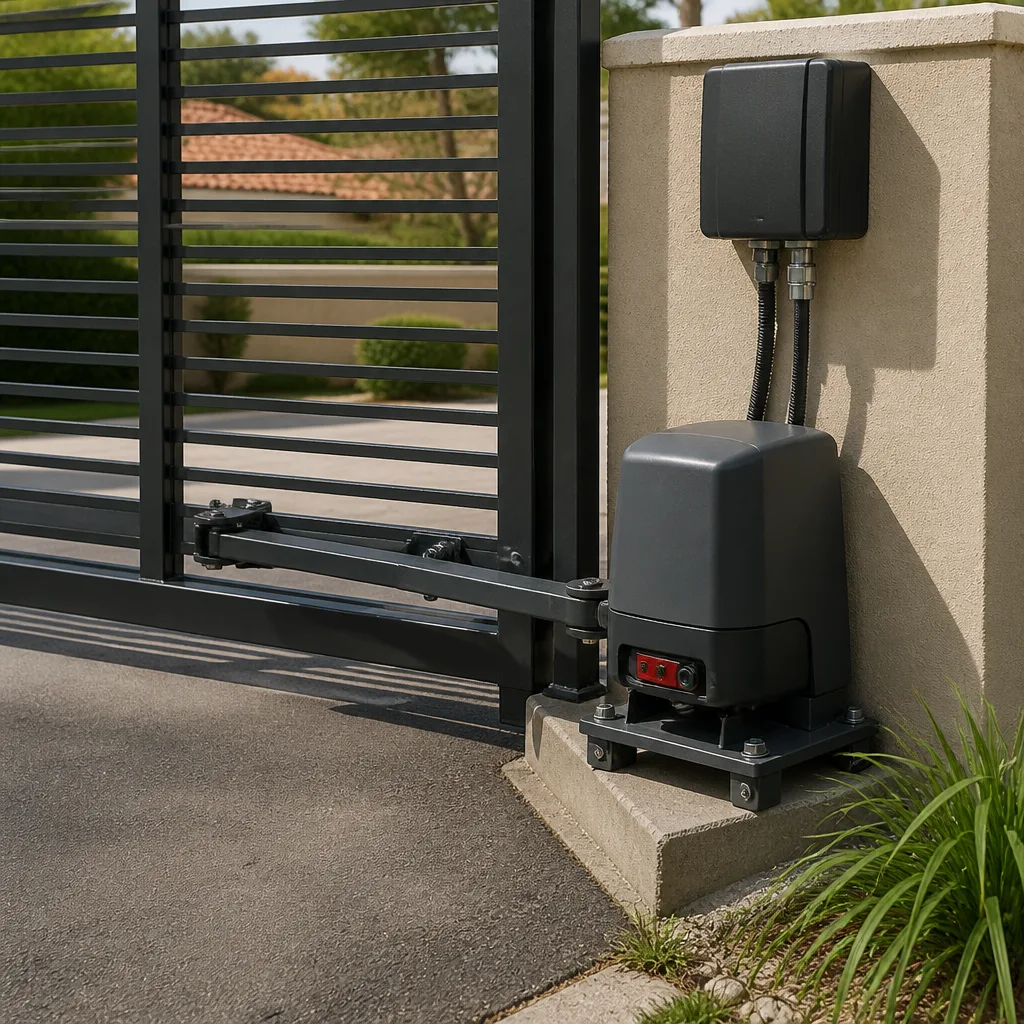 LiftMaster operators
Free on-site gate assessment - hinges, posts, and your LiftMaster or Nice gate operator checked before anything is quoted
The assessment is free and the quote is the invoice.
Get your free estimateThe Complete Guide to Gate Repair in Knoxville
A gate that swings too slowly rarely has a motor problem. More often, it’s a hinge that’s worn, a post that’s shifted, or a panel dragging on the ground because of grading or clay soil. The motor is just working twice as hard to overcome resistance that has nothing to do with the motor itself. Misread that symptom as an electrical fault and you end up paying to replace a part that was never the problem. This guide maps how a gate really fails: the five systems that make it work, the order they tend to break down, and how to tell where your gate sits before you call anyone in Knoxville.
Quick Answer
Gate repair in Knoxville is rarely one broken part. It’s usually a cascade: a mechanical component fails first, then the motor compensates, then the control board logs a fault or the safety edge trips. A true repair finds the failure at the bottom of that chain instead of replacing what the motor or the board reports. A trained gate technician should be able to tell you which of the five systems – structural, mechanical, electrical, control, or aesthetic – started the problem before they quote any work, and the price you agree to before work starts is the price you pay.
Styles & brands we work with
- Wrought iron
- Wood & steel frame
- Farm & ranch
- Sliding driveway gates
- LiftMaster operators
Table of Contents
- The Five Systems That Make a Gate Work
- How Gate Failures Cascade, Step by Step
- Why Diagnosis Beats Parts-Swapping
- Brand-Specific Failure Patterns in Knoxville
- How Knoxville’s Clay Soil and Grading Cause “Electrical” Problems
- When It’s a Repair vs. When the Gate Design Is Wrong
- What Same-Day Gate Repair Actually Looks Like
- The Sequence Check: How to Place Your Gate on Its Failure Arc
The Five Systems That Make a Gate Work
Every gate, manual or motorized, residential or commercial, is a stack of five systems working together. When one goes, the others compensate – which is why the visible failure is so often not the real cause.
- Structural. Posts, hinges, mounting plates, and the frame of the gate leaf. This is where the gate meets the ground, and in Knoxville that ground is often shrink-swell clay.
- Mechanical. Hinges, rollers, tracks, wheels, latches, and the physical linkage between the motor and the gate.
- Electrical. The motor, the power feed, the transformer, the batteries in solar or low-voltage systems, and the wiring run to the operator.
- Control. The circuit board, the safety edges and photo-eyes, the keypad, remotes, and any access-control integration.
- Aesthetic. The finish, powder coat, or paint, plus the seals and caps that keep water out of the operator housing.
Many companies that handle gates as a side job focus on the middle layer, the mechanical and obvious electrical repairs. The systems most often ignored are the structural one – because diagnosing a shifting post takes time and a second set of eyes – and the control one, because safety edges and access integration cross into low-voltage work many generalists don’t want to touch. That gap is exactly where repeat problems hide. If you fix a hinge and never check why the hinge started failing, the next hinge in the chain is already loaded. A gate repair call that addresses all five systems at once is what stops the callback.
How Gate Failures Cascade, Step by Step
Gates fail in a predictable sequence. Here’s the arc, in the order it typically happens:
- Structural drift. A post settles, a footing shifts, or condensation loosens a mounting plate. The gate leaf goes slightly out of plumb.
- Hinge wear. A gate that’s now off-level puts uneven pressure on the hinges. Bushings wear faster on one side.
- Ground clearance loss. The sagging leaf drags on the drive or the ground. This is where the “slow gate” symptom first appears.
- Motor overcompensation. The operator pushes harder to overcome the drag. Amperage climbs. Cycle time lengthens. The motor runs hotter.
- Control fault. The board logs an obstruction, a safety-edge trip, or a limit error because the gate isn’t stopping where it should. The board is telling the truth – it’s the gate that’s obstructed, not the board.
- Premature failure. The motor, the board, or a limit switch gives out, and that’s the part that gets replaced. The structural and mechanical causes are still there.
Read that list again and you’ll see the trap. If a homeowner (or a handyman, or a general fencing company) only sees the last failure in the sequence, they fix it, and within six months – often sooner – the new part is under the same load the old one was. That’s not bad luck. That’s an incomplete repair. In our experience on gate repair calls across Knoxville, the most common callback cause is a control board or motor replaced without ever checking the post and hinge that started the whole chain.
Why Diagnosis Beats Parts-Swapping
Replacing the reported part is easy. Finding out why it failed is the actual job. Here’s the difference in practice.
- Parts-swapping addresses the symptom: the gate is slow, so the motor gets replaced; the gate won’t close, so the safety edge gets bypassed; the gate trips the breaker, so the breaker gets upgraded.
- Diagnosis addresses the cause: the gate is slow because the leaf drags, so the footing and hinge get fixed; the gate won’t close because the safety edge is telling the truth about an obstruction, so the obstruction gets cleared; the breaker trips because the power feed is undersized or the operator is pulling more amps than it should.
The 70% figure we opened with – the share of slow-gate complaints that turn out to be hinge or ground-clearance, not motor – is the practical reason for this. On a motorized entry control like a DoorKing operator on a commercial lot, or a Ghost Controls operator on a residential driveway, the control board will report an obstruction fault whether the obstruction is a leaf dragging on the drive or a child’s toy left in the path. Two very different problems, one fault code. A gate technician who’s seen both will test the mechanical load on the gate before opening the control box, and won’t sell you a motor you don’t need. That’s the reason to call a gate-only specialist rather than a garage-door company or a general fencing contractor: the whole inspection is gate-specific, and the tool kit that shows up is chosen for this exact category of failure.
Brand-Specific Failure Patterns in Knoxville
The nine brands we work on – LiftMaster, FAAC, BFT, Linear, Viking, Ghost Controls, DoorKing, Elite, and Mighty Mule – cover the full range from residential driveway automation to commercial and HOA entry systems. Each has its own quirks. Knowing them shortcuts the diagnosis.
Ghost Controls and Mighty Mule operators are common on residential swing gates across Knoxville neighborhoods. Both are DIY-installable, which means a lot of them were installed by homeowners who got the wiring right but the post footing and gate-level adjustment wrong. We see the operator “failing” when the real problem is a post that has moved an inch out of plumb, or a limit set to stop the gate before the mechanical travel does.
DoorKing systems are typical on HOA and commercial entrances where access control matters: telephone entry, keypad, and loop detection. High-cycle operation wears the mechanical parts faster than the electrical ones, which is the opposite of residential patterns. A DoorKing entry that won’t open from a keypad call is more likely a worn arm or a slipping clutch than a dead phone board, but a lot of calls get made for the board first.
Elite slide operators are common on driveways with a long run and heavier gate panels. Lubrication schedules matter more on Elite than on lighter residential systems, and the manufacturer’s maintenance interval is where we start.
The pattern matters because it tells you what to expect on your gate regardless of the brand. Residential swing set-ups on Ghost Controls or Mighty Mule tend to fail structurally and mechanically first. Commercial and high-cycle systems on DoorKing or similar brands tend to fail where the wear surface takes the most cycles. If you want to talk through what your specific system is doing, a gate motor & opener inspection is the place to start.
How Knoxville’s Clay Soil and Grading Cause “Electrical” Problems
A gate that trips its breaker, loses power intermittently, or won’t open without resetting the board doesn’t always have an electrical problem. In Knoxville, a big share of these calls lead back to the ground.
Knoxville sits on shrink-swell clay. That clay expands when it’s wet and contracts when it dries, and it moves footings with it. A gate post that was set at the right depth, with the right footing, can wander over a few seasons. When it does, four things happen that all look electrical from the outside:
- The gate leaf sags, increases the mechanical load on the motor, and the motor pulls more current than the circuit can supply.
- The operator housing shifts slightly off the gate’s travel path, so the limit switches stop reading true.
- Wiring that was run close to grade (which happens on a lot of residential installs) gets stressed or water gets in where the conduit settled.
- Drainage changes upstream from the post cause standing water around the footing, which finds its way into the operator raceway on a slide gate.
The tell is usually timing. If the fault only shows up after heavy rain, or after an especially dry stretch, or only on the side of the gate that’s closest to the low spot in the yard – grading and soil movement is your first suspect, not the board. This is one reason we ask about drainage on the property before we diagnose a “power” problem. A gate technician who understands Knoxville grading will check the ground before opening the control box. It’s also why footing depth (which we’ll just call proper footing depth) matters more here than in a place with stable soil.
When It’s a Repair vs. When the Gate Design Is Wrong
Some gates are failing because a part broke. Others are failing because the gate was never designed for the job it’s doing, and every repair is just pushing the failure further down the road. Here’s how to tell the difference.
A true repair makes sense when:
- The gate has worked well for years and the failure is recent.
- The part that failed matches the wear pattern for its age and cycle count.
- The post, footing, and gate level are all within normal range when checked.
- The motor or operator is rated for the gate weight and cycle count it’s actually seeing.
A repair signals a design problem when:
- The same part fails repeatedly – hinges, rollers, or a specific limit switch.
- The gate was added to an existing driveway without a footing built for a heavier panel.
- The operator was sized for the old gate and never adjusted when a new panel was installed.
- The site has a slope or turn that strains the operator through every cycle.
- The gate has been through multiple motor swaps and still isn’t running clean.
When it’s a design problem, patching it again buys time but not much of it. The honest answer is usually to re-spec the gate, the operator, or the footing – which can mean a gate installation instead of another repair. That’s a conversation worth having before you spend money on the same part a third time.
What Same-Day Gate Repair Actually Looks Like
Same-day gate repair is possible on most standard repairs because a gate-only company keeps the common failed parts on hand rather than ordering them. We carry parts for the brands we service, which removes the biggest source of delay on a repair call. Here’s the process, in the order it runs:
- Call and describe what the gate is doing. The visible symptom, when it started, and whether it’s consistent or intermittent – this tells us the likely layer before we arrive.
- On-site diagnosis. All five systems get checked. Structural and mechanical first, electrical and control next, aesthetic last.
- Written estimate. You see the diagnosis and the quoted price before any work begins. This has to be agreed on first, not adjusted afterward.
- Repair. Mechanical and structural work first, then electrical and control. Parts that need to be replaced come from the kit for the brand.
- Retest and walk-through. Full cycle test, safety-edge and photo-eye test, and a short explanation of what failed and why so you can catch the same pattern earlier next time.
Same-day applies to repairs. A new gate or a new operator install is measured, ordered, and scheduled rather than rushed. If you’re pricing a repair, call (844) 625-7626 for an exact quote – estimates are free. If you’re planning a new install, the free measure and written price are the first step, not a same-day job.
The Sequence Check: How to Place Your Gate on Its Failure Arc
Before you call anyone, run this check. It takes ten minutes and it moves the diagnosis along before a technician arrives.
- Push the gate by hand, with the motor disengaged. If it’s heavy or stiff, the problem is mechanical or structural, not electrical. If it moves free by hand but runs slow under power, that’s more likely electrical or control.
- Check the ground clearance through the full swing or slide. Any drag on the ground at any point in the travel points to a post or footing issue. In Knoxville, do this check after a wet stretch and again after a dry one – the drift will show up more clearly.
- Look at the hinge caps and pin wear. Uneven wear on one hinge over the other says the gate isn’t travelling level.
- Note when the fault shows up. After rain? In dry weather? Only in the afternoon when the sun’s been on the housing? Timing points to soil movement, thermal expansion, or a wiring issue.
- Check the safety edges and photo-eyes. Run your hand across the edge and confirm the eyes see each other. A control fault that looks like an obstruction is often just an obstruction.
- Listen to the motor under load. A motor that labors, hums, and cycles slower than it used to is telling you it’s compensating for something. Find out what.
Every answer here narrows the layer of the problem. Bring those notes to the call and the on-site diagnosis gets faster, and the estimate gets more accurate because the guesswork is already gone.
Common Mistakes to Avoid
- Replacing the motor first. If the gate is slow, heavy, or dragging, the motor is the last part to suspect – 70% of slow-gate complaints are hinge or ground-clearance. Test the mechanical load before opening the control box.
- Bypassing a safety edge to make a gate close. A safety edge that trips is doing its job. Bypassing it hides the obstruction and creates a genuine hazard, especially on a slide gate with a heavy panel. Diagnose the obstruction, don’t defeat the safety device.
- Letting a handyman or fencing contractor diagnose the control layer. Access control and low-voltage wiring belong to someone with gate-specific experience. A general repair that stops short of the control system leaves half the failure arc untouched.
- Ignoring the clay-soil effect on footings. If your gate faults only after heavy rain or a dry spell, the “electrical” problem is very often the footing. Chasing it as a wiring fault wastes time and money.
- Installing a new heavier panel without resizing the operator. A gate the operator was never rated for will strain every cycle and fail much earlier than the part’s normal life. Match the operator to the panel weight and cycle count.
- Assuming same-day repair applies to installations. A repair is often same-day; a new gate or operator is measured, ordered, and scheduled. Confusing the two means you plan around the wrong timeline.
- Comparing on price alone without a written quote. The lowest quote that doesn’t include a diagnosis of the whole gate will cost more over time than the quote that does. Confirm what’s being tested and what’s being replaced before work starts.
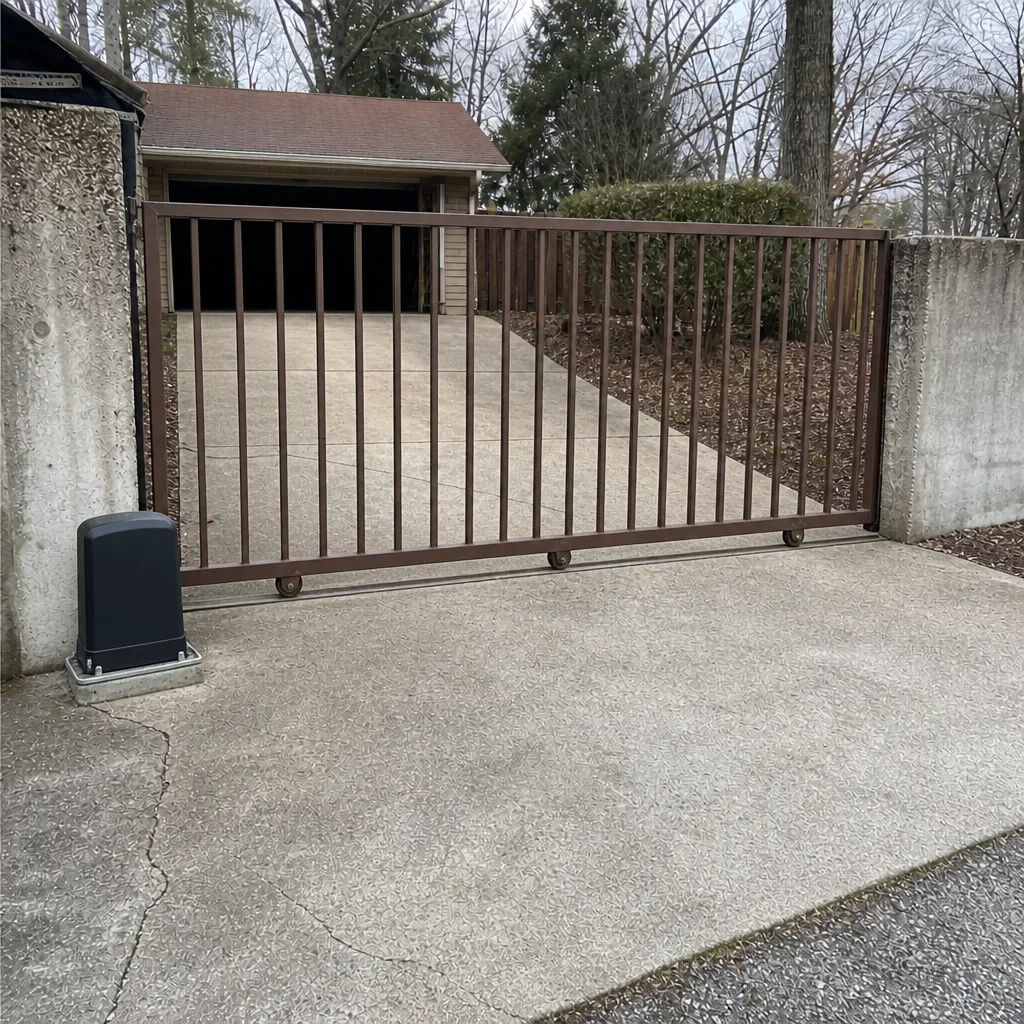
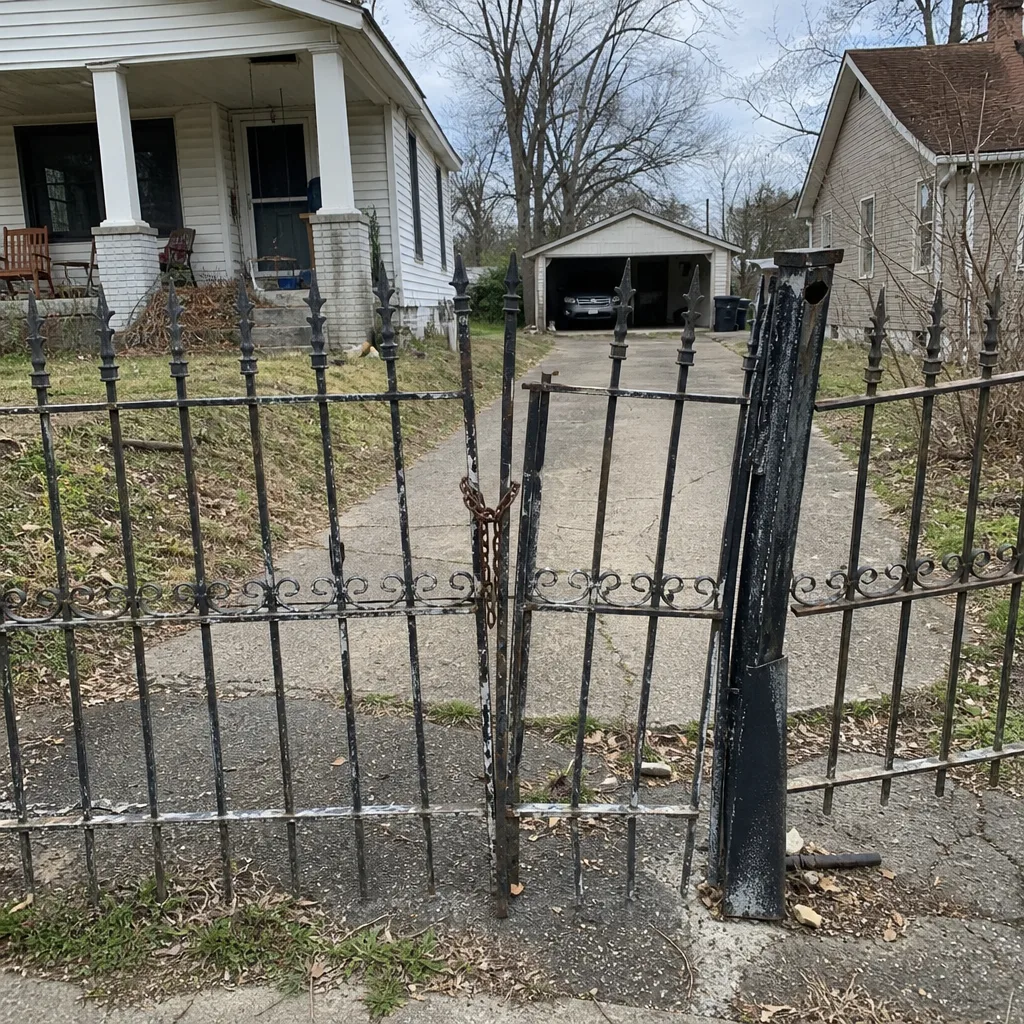
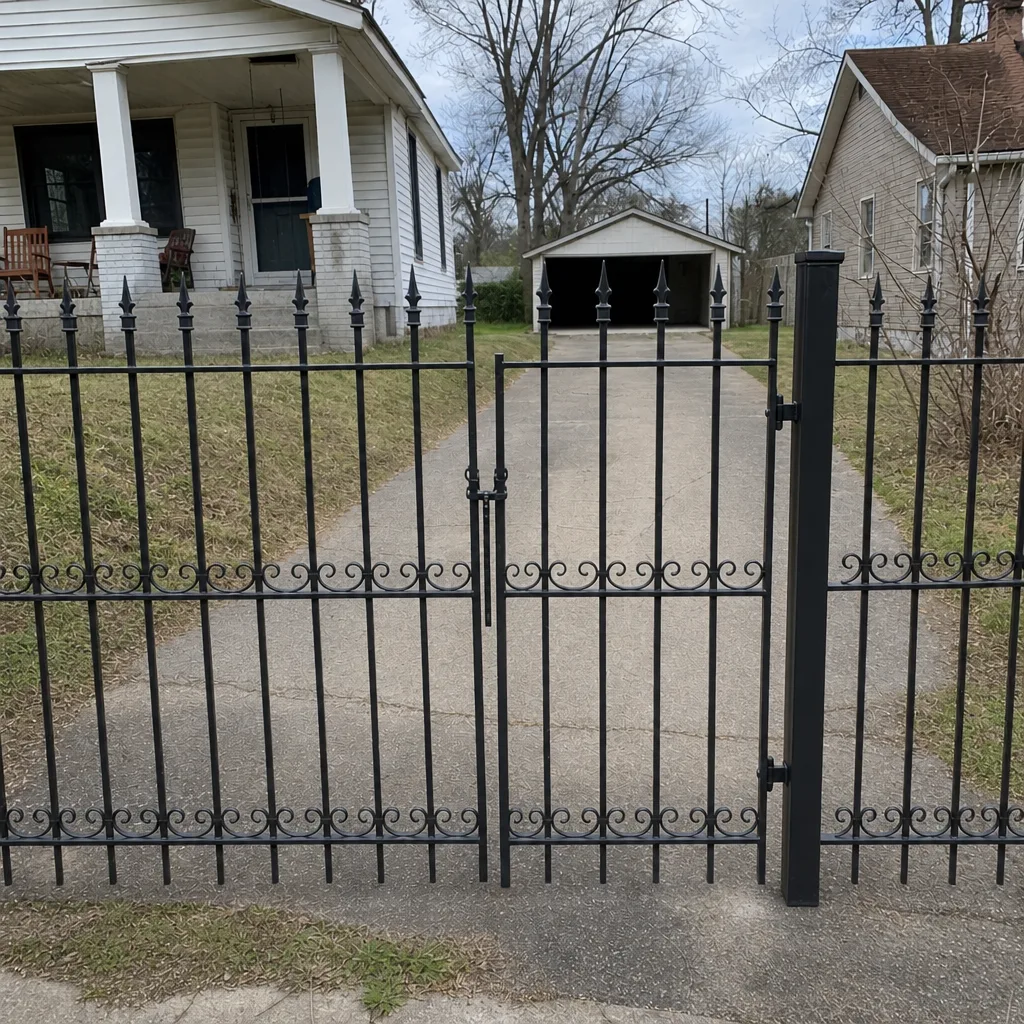
See the difference
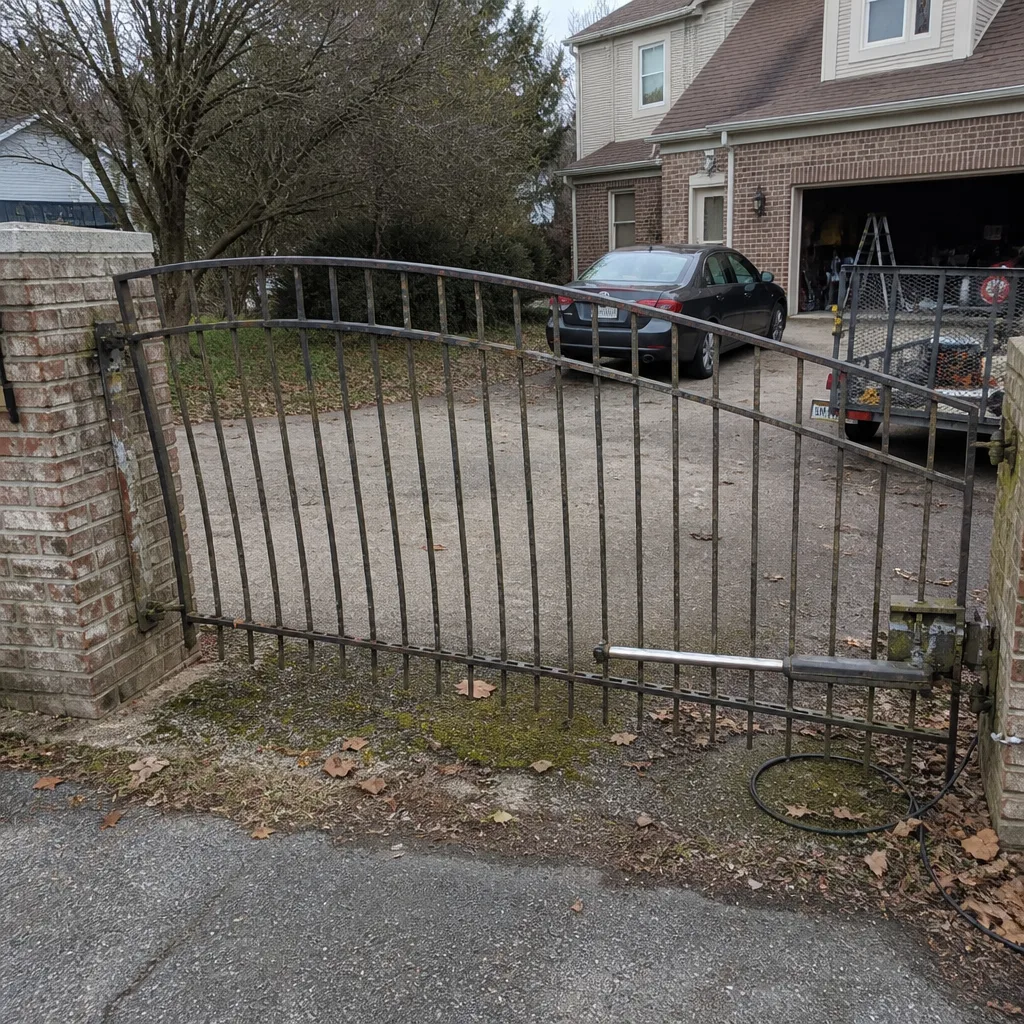 Before
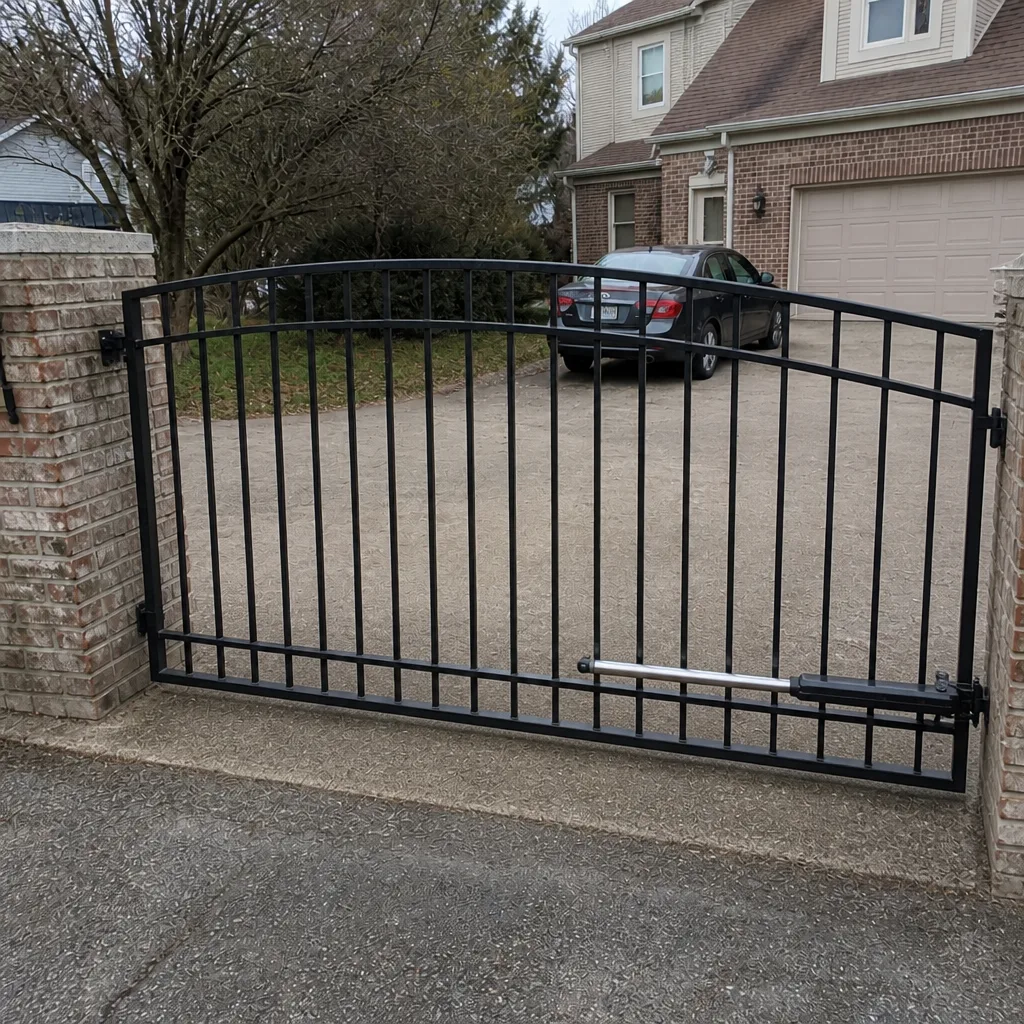 After
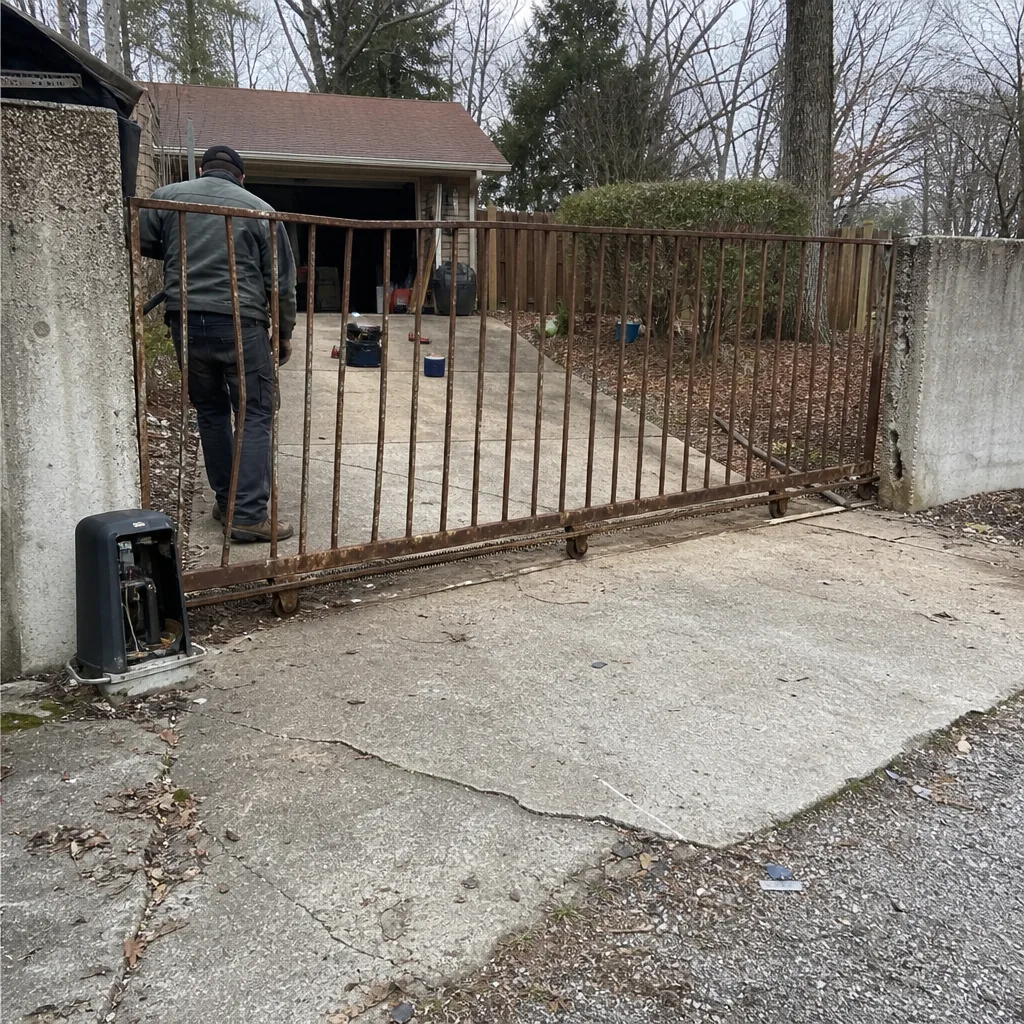 Before
 After
 Before
 After
When to Call a Professional
Call a professional when the gate has been repaired before and the same symptom has come back. Call when the failure involves anything in the electrical or control layer – the motor, the power feed, the safety edges, the photo-eyes, or the keypad – because that work needs a gate-specific technician, not a general electrician who’s never seen an operator’s control board. Call when the gate leaf is sagging, binding, or dragging on the ground, since that’s a structural call and not a motor swap. And call when the gate is high-cycle commercial or HOA equipment where repeat failure means real disruption for residents or customers. Knoxville Gate Repair offers free estimates in Knoxville – call (844) 625-7626 and describe what the gate is doing. A technician trained on the brand your gate uses will run the full sequence check, quote the repair in writing, and agree the price with you before anything starts. Same-day repair is available on most standard repairs because we carry parts for the brands we service; installs are measured, ordered, and scheduled.
Frequently Asked Questions
Gate repair in Knoxville typically runs on a per-job estimate after a technician diagnoses the gate, and there’s no single flat rate because the cost depends on which system failed and whether parts need to be replaced. A simple mechanical repair is a different job from a control board or operator replacement, and the estimate is quoted and agreed on before any work starts. Call (844) 625-7626 for an exact quote – estimates are free.
Yes, for most standard repairs. We carry parts for the brands we service, so the common failed parts are on hand at the diagnostic call and don’t need to be ordered. If the technician finds something brand-specific that needs a special order, you’ll know before the work begins and the quote reflects it. Call (844) 625-7626 to talk through what the gate is doing.
Yes. Residential swing and slide gates on Ghost Controls and Mighty Mule operators, and commercial and HOA entry systems on DoorKing, FAAC, BFT, Viking, Linear, LiftMaster, and Elite are all within our scope. The diagnosis process is the same five-system check; what changes is which layer fails fastest under the gate’s actual cycle count.
Not necessarily. In Knoxville, faults that show up after heavy rain usually trace back to shrink-swell clay moving the footing and stressing the gate’s travel, or to water getting into a low-run wiring conduit. A technician should check the ground before opening the control box. Call (844) 625-7626 if you want the fault traced to its source rather than guessed at.
It’s a true repair if the gate has worked well for years, the failure is recent, and the footing and gate level all check out. It’s a design problem if the same part keeps failing, the operator was never sized for the current panel, or the site has a slope or turn that strains every cycle. When it’s a design problem, replacement usually costs less over the next few years than the next repair will.
Yes. Access control integration on a gate is part of the control layer of the system, and it lives in the same inspection as the mechanical and structural checks. Safety edges, photo-eyes, keypads, and telephone entry systems all get tested on every repair call. Call (844) 625-7626 for a free estimate on access control or a repair that crosses into the control layer.
The Bottom Line
Your gate is a system: structural, mechanical, electrical, control, and aesthetic. Failures move through that sequence in a predictable order, and the visible failure is usually the last step, not the first. Diagnose the bottom of the chain – the footing, the hinges, the ground clearance – before you replace a motor or a board, and you’ll spend less on repairs that actually hold. Knoxville’s clay soil and grading make this more important here than in most places, because soil movement looks like an electrical fault from the outside. If you’ve had the same symptom twice, that’s a diagnosis call, not a parts call. We work on gate motor & opener systems across the brands Knoxville gates use, and we treat every job as a full-sequence check rather than a symptom fix. Reach out to Knoxville Gate Repair or call (844) 625-7626 for a free estimate. A written quote and an agreed price before any work starts is how we handle every call.
Written by the team at Knoxville Gate Repair.