Last updated November 25, 2026
 Wrought iron
 Wood & steel frame
 Farm & ranch
 Sliding driveway gates
 LiftMaster operators
Free on-site gate assessment - hinges, posts, and your LiftMaster or Nice gate operator checked before anything is quoted
The assessment is free and the quote is the invoice.
Get your free estimateGate Repair Permits, Codes & Inspections in Knoxville, TN: What You Need to Know
If your electric gate was installed by a company that told you “gates don’t need permits,” get the installation paperwork together before your next appraisal or refinance. Knox County treats a motorized gate operator as electrical equipment tied to your property’s wiring and structure, and unpermitted operators surface as open code items during real estate transactions more often than most owners expect. This guide walks through the actual thresholds that trigger a permit in Knoxville, how UL 325 entrapment protection fits into Tennessee inspection practice, what a grandfather clause does and doesn’t cover, the HOA overlay in Knoxville’s larger subdivisions, and the step-by-step permit and inspection sequence for electric gate systems.
Quick Answer
In Knoxville, a permit is typically required when you install a new electric gate operator, run new line-voltage power to a gate, or substantially rebuild a gate’s structural supports – while routine repair or like-for-like replacement of a manual gate usually doesn’t need one. Repairs to an existing, properly permitted operator generally don’t trigger a new permit, but the work still has to keep the entrapment protection that UL 325 calls for. Always confirm the current rule with the City of Knoxville or Knox County building department before work begins, because the threshold depends on whether you’re changing the electrical system, the structure, or just restoring what’s already there.
Styles & brands we work with
- Wrought iron
- Wood & steel frame
- Farm & ranch
- Sliding driveway gates
- LiftMaster operators
Table of Contents
- What Triggers a Gate Permit in Knox County and the City of Knoxville?
- How UL 325 Entrapment Protection Fits Tennessee Inspections
- Grandfather Clauses: What They Cover When You Repair vs. Replace
- The HOA Overlay in Knoxville Subdivisions
- The Knox County Permit and Inspection Process for Electric Gates
- Power Runs, Disconnects, and Why This Is Licensed Electrical Work
- Which Repairs Need a Permit and Which Don’t
- Records, Appraisals, and Selling a Home With a Gate
What Triggers a Gate Permit in Knox County and the City of Knoxville?
The single biggest source of confusion we run into is the assumption that “gate” means one thing for permitting. It doesn’t. A manual ornamental driveway gate and a motorized slide gate with a LiftMaster operator and a keypad are handled differently, because one is a fence-like structure and the other adds an electrical system, a control board, and safety devices.
Permitting in the Knoxville area runs on two tracks. Properties inside the city limits fall under City of Knoxville permitting, while unincorporated areas fall under Knox County. The two systems overlap in how they treat electric gate operators but differ in who issues the inspection and what the application looks like. If you’re not sure which jurisdiction covers your address, the building department can tell you in a single phone call, and it’s worth making that call before you order parts, not after.
The work that reliably triggers a permit:
- New electric gate installation. A brand-new motorized gate with a new operator, whether it’s a residential swing gate on a Ghost Controls or Mighty Mule system or a commercial slide gate running FAAC or BFT automation.
- New line-voltage power to a gate. Running a dedicated circuit from the house or panel out to the gate location, adding a disconnect, or installing a pedestal for power. This is electrical work and gets inspected as such.
- Structural changes to gate posts and footings. Replacing posts, changing the gate opening width, or altering the footing depth on a swing or slide gate that carries load.
- Converting a manual gate to electric. Adding an operator and power to a gate that was previously hand-operated changes the system’s classification and normally needs a permit.
Work that usually doesn’t need a permit on its own:
- Replacing a hinge, roller, latch, or guide on an existing permitted gate.
- Swapping a failed operator control board or remote receiver for a matching part.
- Adjusting a gate that’s dragging, misaligned, or stopping short of the latch.
- Repainting, re-staining, or replacing a picket on a manual gate.
The tricky middle ground is when a repair becomes a replacement in the eyes of the code official. We’ve learned to describe the scope of a job precisely – what’s being swapped, what’s staying, and whether the electrical circuit changes – because that description is what determines whether you’re pulling a permit or not. If you’re ever unsure, our gate repair team can tell you how a given job is typically classified before anyone touches a tool.
How UL 325 Entrapment Protection Fits Tennessee Inspections
UL 325 is the safety standard that covers gate operators, and it’s the reason a gate inspection is not just about whether the motor turns on. The standard requires that an automatic gate operator have entrapment protection – a way to detect a person or object in the gate’s path and stop or reverse. In practice that means photoelectric sensors, a sensing edge on the gate, or a combination, depending on the operator type and how the gate moves.
Where this meets Tennessee inspection practice is at the point of verification. When an electric gate is installed or a new operator is put on an existing gate, the inspector wants to see that the entrapment protection is present, properly wired, and functioning. A gate that opens and closes smoothly but has a disconnected photo-eye or a sensing edge that no longer reverses is not a passing installation, even if it’s been that way for a while.
What we look for when evaluating whether a gate will pass:
- Photo-eye alignment and wiring. The beam has to be unobstructed and both sides wired back to the operator.
- Sensing edge condition. On slide and swing gates that use a reversing edge, the edge must be intact and electrically continuous.
- Operator type match. The operator has to be appropriate for the gate’s weight, length, and how often it cycles. A light residential operator on a heavy commercial gate is both a durability problem and a safety problem.
- Manual release. The gate needs a functioning manual release so it can be opened by hand in an emergency or power failure.
- Warning signage. Gate operators need the warning placard mounted where it can be seen.
It’s worth being clear about one thing: entrapment protection is a safety device, and a gate that’s missing it is genuinely dangerous, especially on a heavy slide gate. This is not a component to troubleshoot by trial and error. If a photo-eye or sensing edge is failing, have it repaired by someone trained on the specific operator, whether that’s a LiftMaster residential unit or a commercial DoorKing or Viking system. We can work with your insurer if an inspection raises questions about coverage on the electrical side.
The UL 325 standard also draws a line between residential and commercial duty. Residential swing gates on Ghost Controls or Mighty Mule operators are built for a certain number of cycles per day. Commercial and HOA entrance gates running continuously need higher-duty equipment and different safety devices. If you’re planning a new installation, our gate motor & opener specialists size the operator to the actual cycle count, which is one of the things an inspector may ask about.
Grandfather Clauses: What They Cover When You Repair vs. Replace
A grandfather clause is the idea that a gate installed under an older code can stay as it is even if current code would require something different. It’s real, but it’s narrower than most people assume, and it’s the concept that causes the most trouble when a gate changes hands or gets a major repair.
What grandfathering typically covers:
- An existing gate and operator that were legally permitted and installed under the code in force at the time.
- Routine maintenance and like-for-like repair that keeps the gate in its existing configuration.
- Cosmetic work that doesn’t change the structure, the electrical system, or the safety devices.
What grandfathering generally does not cover:
- A full operator replacement, especially if the new operator has different requirements or the gate changes how it moves.
- Adding entrapment protection devices where none existed, which is an improvement, not a violation, but still changes the system.
- Structural changes to posts, footings, or the gate opening.
- A gate that was never permitted in the first place. There’s nothing to grandfather if the installation wasn’t approved to begin with.
For a Knoxville homeowner, the practical takeaway is that grandfathering protects an appropriately installed gate, but it doesn’t shield you from bringing the safety devices up to current standards when you replace the operator. If your gate came with the house and you have no paperwork, the honest answer is that you may not know its permit status until you check with the building department. Getting that answer now is far cheaper than getting it during a closing.
This is also where we see the repair-versus-replace question blur. Rebuilding a swing gate’s hinge and re-hanging the leaf is usually a repair. Replacing the operator and re-wiring the entrapment protection is typically treated as a replacement, and it’s worth treating it that way from the start. Our gate installation team handles the replacement scope when a repair no longer makes sense.
The HOA Overlay in Knoxville Subdivisions
County and city code is only half the story in much of Knoxville. If your property sits inside a subdivision with a homeowners association, the covenants can add requirements well beyond what the building department asks for. That’s especially true for gated communities and neighborhoods with architectural review committees.
Where HOA covenants commonly add requirements on top of code:
- Architectural review approval. Many subdivisions require an approval letter from the architectural review committee before a new gate, a different gate material, or a changed gate height can go in.
- Style and material restrictions. Some covenants specify allowable materials, colors, and designs for driveway gates so the street stays visually consistent.
- Setback and easement rules. A gate that swings into a public easement or over a right-of-way may conflict with both code and covenants, and the two don’t always agree.
- Shared entrance gates. For a community entrance gate, the association is typically the permit applicant, and the access-control system has to be documented for residents and emergency services.
The order matters. We recommend getting the HOA approval first, then confirming the permit path, then ordering the gate. Doing it in reverse is how people end up with a gate that meets code but violates a covenant, or with approval in hand for a design the county won’t permit. If you’re a property manager coordinating a shared gate in a Knoxville subdivision, our Knoxville Gate Repair team can help you organize the technical details so the association’s paperwork is straightforward.
Access control adds another layer. When a community gate uses a DoorKing or Linear system with keypads, entry codes, and call boxes, the association usually wants a resident directory plan and a documented way for emergency personnel to get in. None of this is unusual, but it all needs to be settled before the gate goes in.
The Knox County Permit and Inspection Process for Electric Gates
The exact forms and fees depend on your jurisdiction and the scope of work, so treat the following as the general sequence rather than a substitute for a call to the building department. What stays consistent is the order of operations.
- Confirm jurisdiction and permit threshold. Call the City of Knoxville or Knox County building department with your address and describe the job. Ask specifically whether an electric gate operator and a new power run require a permit, and whether a separate electrical permit is needed.
- Prepare a scope description. Note the gate type (swing or slide, manual or electric), the operator brand, the planned power source and disconnect, and the entrapment protection devices. A clear written scope is what makes the permit application go smoothly.
- Submit the application. Depending on the jurisdiction, this may be an over-the-counter permit for a straightforward residential installation or a fuller submittal for a commercial or community entrance gate.
- Schedule inspections in the right order. Electrical rough-in is typically inspected before the trench is backfilled, and a final inspection happens after the operator and safety devices are in place and working.
- Document the entrapment protection test. Have the technicians demonstrate that the photo-eyes and sensing edge reverse the gate, and keep that record with your installation paperwork.
- Keep the final inspection record. This is the document that protects you at resale. Store it with your home records, not in the gate’s control box where it gets wet and lost.
For commercial and high-cycle gates – the kind running FAAC or BFT automation at a business entrance – expect more documentation. High-cycle systems may need to show the operator is rated for the duty cycle, and the entrapment protection may need to include both photo-eyes and a sensing edge. We work on these every week, so this kind of equipment isn’t a learning curve for us.
One more note on timing: this is measured, scheduled work. It’s not a same-day repair. A gate installation or operator replacement involves ordering the right equipment and scheduling inspection windows, and it’s planned around those milestones rather than squeezed in.
Power Runs, Disconnects, and Why This Is Licensed Electrical Work
The most important thing to understand about electric gate permitting is that a gate operator is electrical equipment. Running a dedicated circuit to it, installing a disconnect near the gate, and wiring the operator’s control board is licensed electrical work – the kind that gets inspected. A gate that’s wired directly into a nearby receptacle circuit or fed by an extension cord buried in the ground is a real hazard, and it’s the kind of improvised setup that appears on an inspection report.
Things that commonly show up as problems on a power inspection:
- Undersized or unterminated wiring. The gate operator needs its own properly sized circuit, not a tap off a landscape lighting line.
- Missing or inaccessible disconnect. There needs to be a way to shut off power at the gate for maintenance and emergency access.
- Improper burial of conduit. Conduit route and depth matter, and the rough inspection happens before backfill.
- Non-GFCI or ungrounded connections outdoors. Outdoor power has specific grounding and protection requirements.
- Wiring that isn’t rated for the environment. Outdoor-rated materials and boxes are required, and Tennessee’s wet winters and hot, humid summers are hard on anything that isn’t.
We don’t offer step-by-step DIY instructions for this because the risk is genuine. A gate operator circuit involves line voltage, and an improperly grounded or undersized circuit can shock, trip breakers, or damage the operator. Have the electrical work done by a licensed electrician and inspected before the final gate inspection.
If you’re planning a new gate and aren’t sure how the power should be run, that’s a conversation to have at the estimate stage, not the day of installation. Our team will flag what needs to come from an electrician so there’s no surprise when the inspection is scheduled.
Which Repairs Need a Permit and Which Don’t
Most of the calls we get in Knoxville are repair calls, not installation calls, and the first question is often “do I need a permit for this?” The honest answer is that it depends on whether the repair changes the electrical system or the structure. Here’s how we sort it in practice.
Strictly mechanical repairs, usually no permit:
- Hinge and pivot replacement.
- Roller and track hardware on a slide gate.
- Latch and guide adjustments.
- Replacing a bent or damaged gate panel with a matching piece.
- Repairing a gate that’s sagging because a hinge or post has shifted.
Repairs that touch the electrical or safety system, where the permit question depends on scope:
- Operator control board replacement.
- Photo-eye or sensing edge replacement.
- Adding or replacing a keypad, loop detector, or call box.
- Replacing the operator itself.
Repairs that typically cross the line into permit territory:
- Running new power to the gate.
- Changing the gate’s structure, width, or footing depth.
- Converting a manual gate to electric.
When people call us for mechanical issues, the permit question usually doesn’t come up. When it’s a gate repair involving the operator or the power, it often does, and we’d rather have that conversation early than after the fact. If you’re outside Knoxville city limits, the same general logic applies, though the office that issues the permit may differ.
Records, Appraisals, and Selling a Home With a Gate
This is where unpermitted gate work really bites. During a home sale or refinance, an appraiser and a title company are looking at whether the property’s structures and systems are consistent and properly documented. A motorized gate with a dedicated electrical circuit is part of the property’s systems. If there’s no permit or inspection record for it, it can show up as an open item, and open items get negotiated at the worst possible time.
What to have on hand if you have a gate:
- The permit record and final inspection sign-off for the installation.
- The operator model and brand, so a future repair or replacement can be matched correctly.
- Documentation of any entrapment protection devices and when they were last tested.
- The HOA architectural approval, if your subdivision required one.
If you’re missing some of this, the fix is usually straightforward: a phone call to the building department to confirm what’s on file, and if a permit was never pulled, a conversation about how to bring the gate into compliance. It’s far easier to sort out on your own schedule than to have a buyer’s inspector raise it three days before closing.
If you’re buying a home in Knoxville with a gate, ask the seller for the permit paperwork during your inspection period. We look at gates for homeowners preparing to sell, and the ones with clean records are noticeably less stressful to hand over.
Common Mistakes to Avoid
- Trusting “gates don’t need permits.” That advice is often wrong for electric gates and can leave an owner with an open violation. Check with the building department yourself before you rely on a contractor’s word.
- Ordering the gate before checking the HOA. Knoxville subdivisions with architectural review committees can reject a gate design that meets code, and a custom gate is expensive to re-do.
- Skipping the electrical rough-in inspection. Backfilling a trench before the rough inspection means the conduit has to be dug back up, and that’s a cost you don’t want.
- Replacing an operator without checking entrapment protection. A new operator on an old gate that’s missing functioning photo-eyes or a sensing edge is a safety and inspection failure waiting to be found.
- Assuming the existing gate is grandfathered. If the original installation wasn’t permitted, there’s nothing to grandfather, and you’ll only find out when it matters.
- Letting a handyman run power to the gate. Line-voltage work is licensed electrical work and gets inspected; improvised wiring is one of the more common problems found on gate inspections in Knoxville.
- Losing the final inspection paperwork. Store the permit and inspection records with your home documents so the next owner or your appraiser can actually find them.
See the difference
 Before
 After
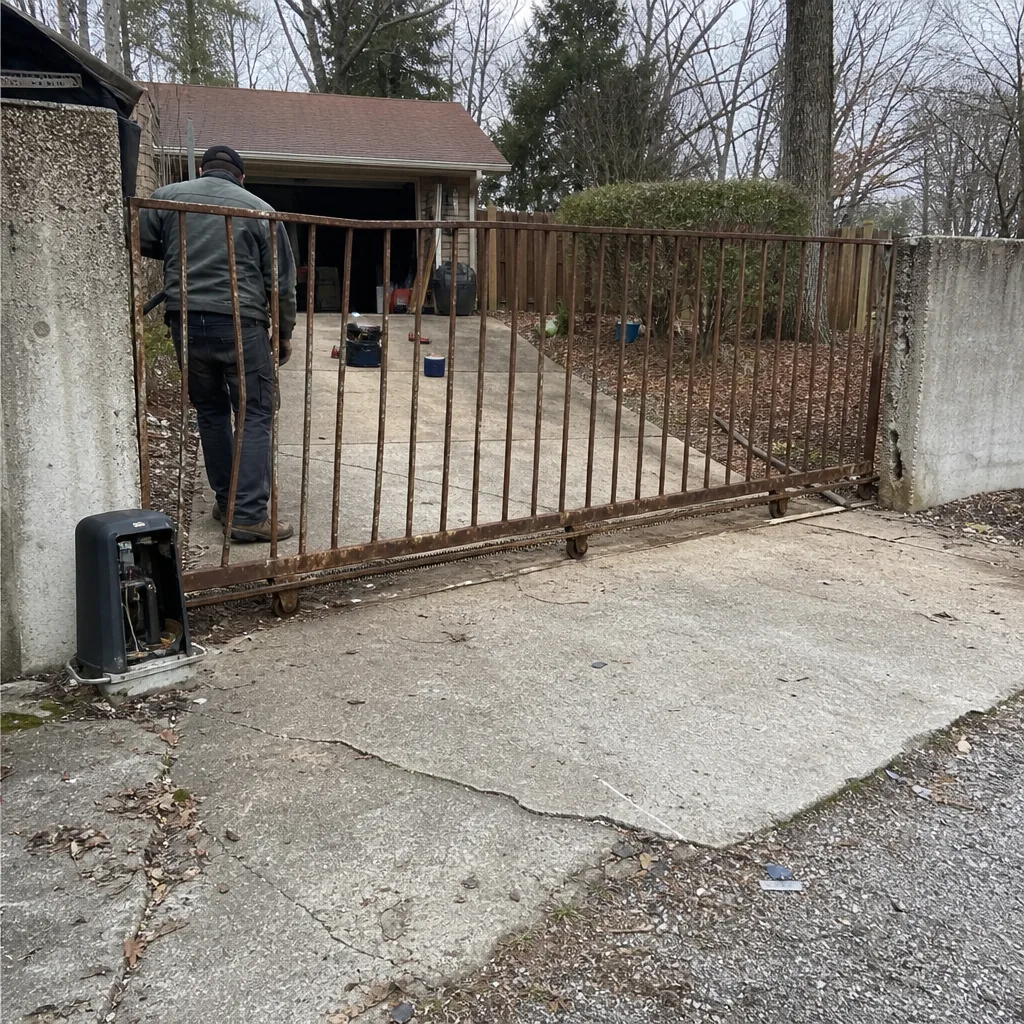 Before
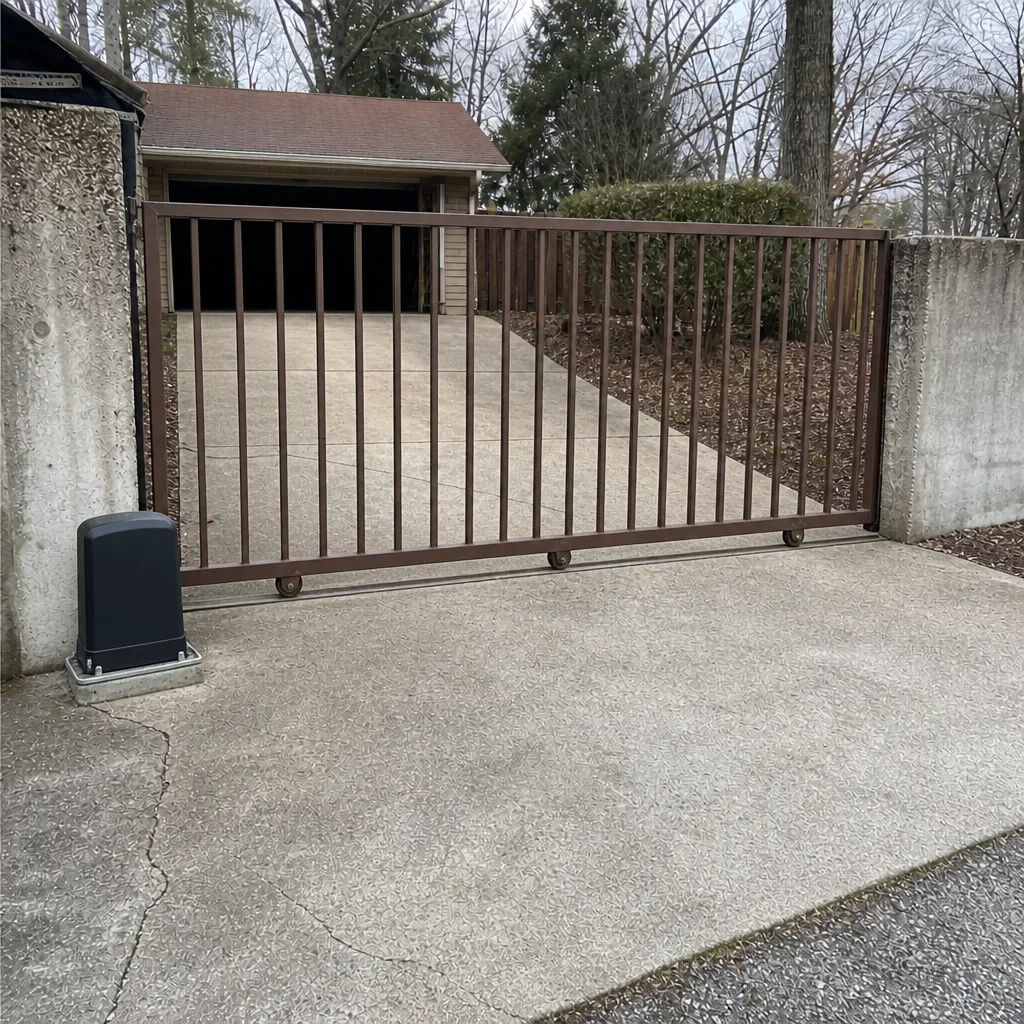 After
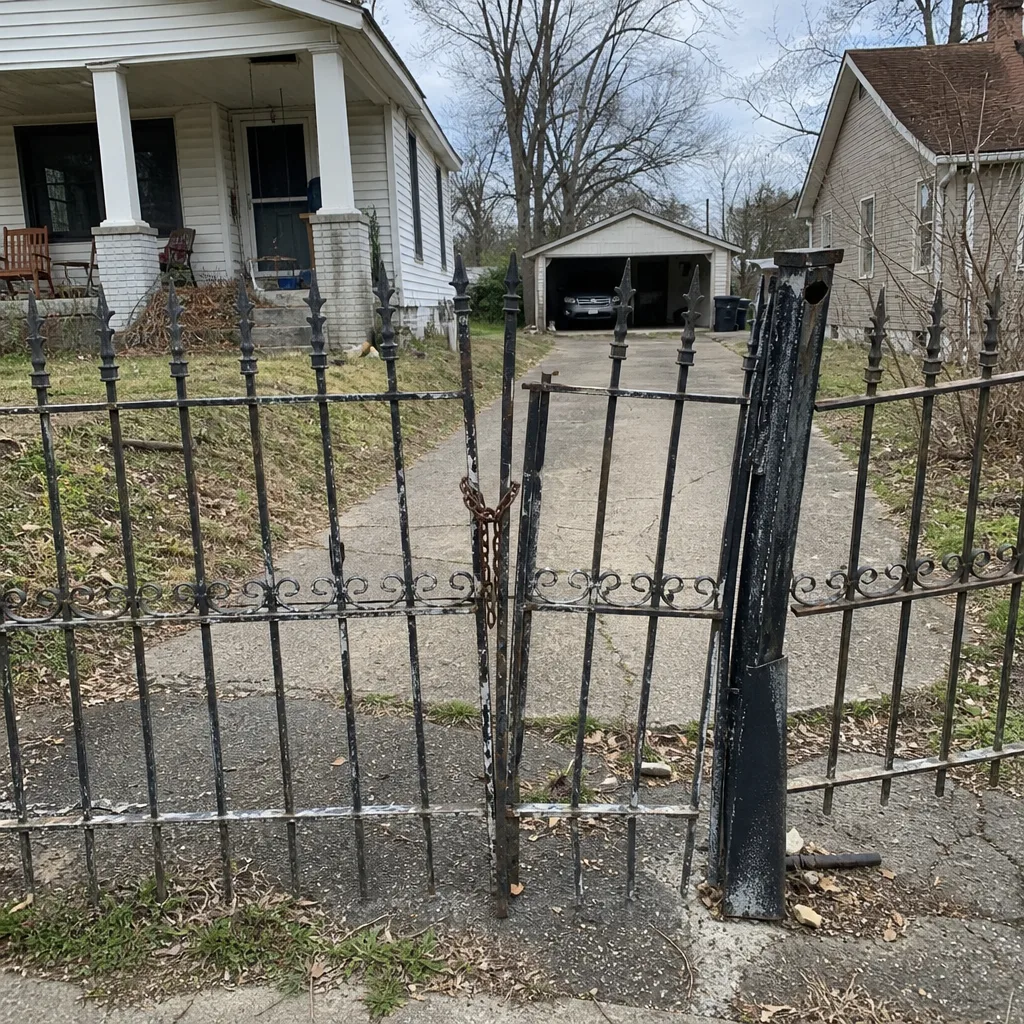 Before
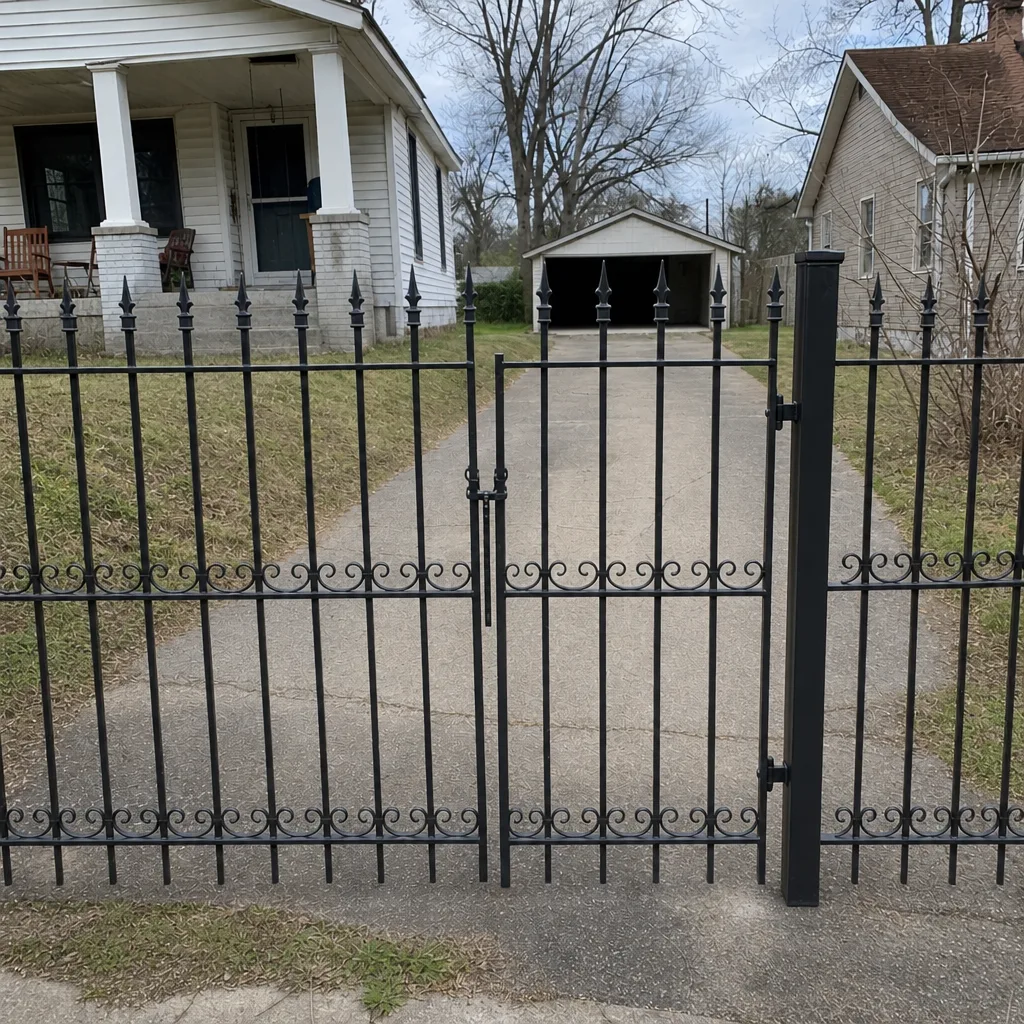 After
When to Call a Professional
Call a professional when the work involves the gate’s electrical system, its structural supports, or its safety devices. That means an operator that won’t reverse on an obstacle, photo-eyes or a sensing edge that no longer respond, a gate that’s sagging because a post has shifted, a control board that’s failed, or a plan to install or replace an electric gate and run power to it. It also means any job where you’re unsure whether a permit is required, because that’s the question with the biggest downstream consequences.
Knoxville Gate Repair offers free estimates in Knoxville – call (844) 625-7626. Our technicians have up to 14 years of experience, and we work on residential swing and slide gates as well as high-cycle commercial systems.
Frequently Asked Questions
Usually not for mechanical repairs, but often yes if the repair touches the electrical system, replaces the operator, or changes the gate’s structure. Routine hinge, latch, and roller work generally doesn’t need a permit, while running new power or replacing an operator typically does. Confirm with the City of Knoxville or Knox County building department, and call (844) 625-7626 for a free estimate on the repair itself.
Typically yes. A new electric gate installation usually involves an electrical rough-in inspection before the trench is backfilled and a final inspection after the operator and entrapment protection are in place. The exact sequence depends on your jurisdiction. Call (844) 625-7626 and we’ll walk you through what to expect.
UL 325 is the safety standard for gate operators and requires entrapment protection, meaning the gate must detect a person or object in its path and stop or reverse. An inspection will check that photo-eyes or a sensing edge are present and working. If your safety devices have failed, call (844) 625-7626 for an estimate.
Only if it was legally permitted when installed and is being kept in its existing configuration. A full operator replacement or structural change generally removes that protection, and a gate that was never permitted has nothing to grandfather. Ask the building department what’s on file, then call (844) 625-7626 for a free estimate on any needed upgrades.
Yes. Subdivision covenants can add architectural review approval, style and material restrictions, and setback rules on top of county or city code. Get HOA approval before ordering a gate. If you’re a property manager, call (844) 625-7626 for a free estimate and we’ll help organize the technical details.
It can surface as an open code item during an appraisal, refinance, or sale, and it may need to be brought into compliance. The first step is confirming with the building department what’s on file. If the gate needs correction work, call (844) 625-7626 for a free estimate.
The Bottom Line
In Knoxville, gate permitting comes down to one question: is the work changing the electrical system, the structure, or a safety device? If it is, assume a permit and an inspection are part of the job, and plan for them. If it’s routine mechanical repair, it usually isn’t. Grandfather clauses protect properly installed gates but don’t rescue unpermitted ones. HOA covenants can add requirements beyond code. And the paperwork matters most when you sell or refinance, which is exactly when it’s hardest to reconstruct. Sort out your gate’s status before it becomes someone else’s question at closing.
If you’re not sure where your gate stands, or you need repair, installation, or access-control work done right the first time, call Knoxville Gate Repair at (844) 625-7626 for a free estimate. We’re gate-only specialists, and we can work with your insurer if an inspection raises questions.
Written by the team at Knoxville Gate Repair.