Last updated November 25, 2026
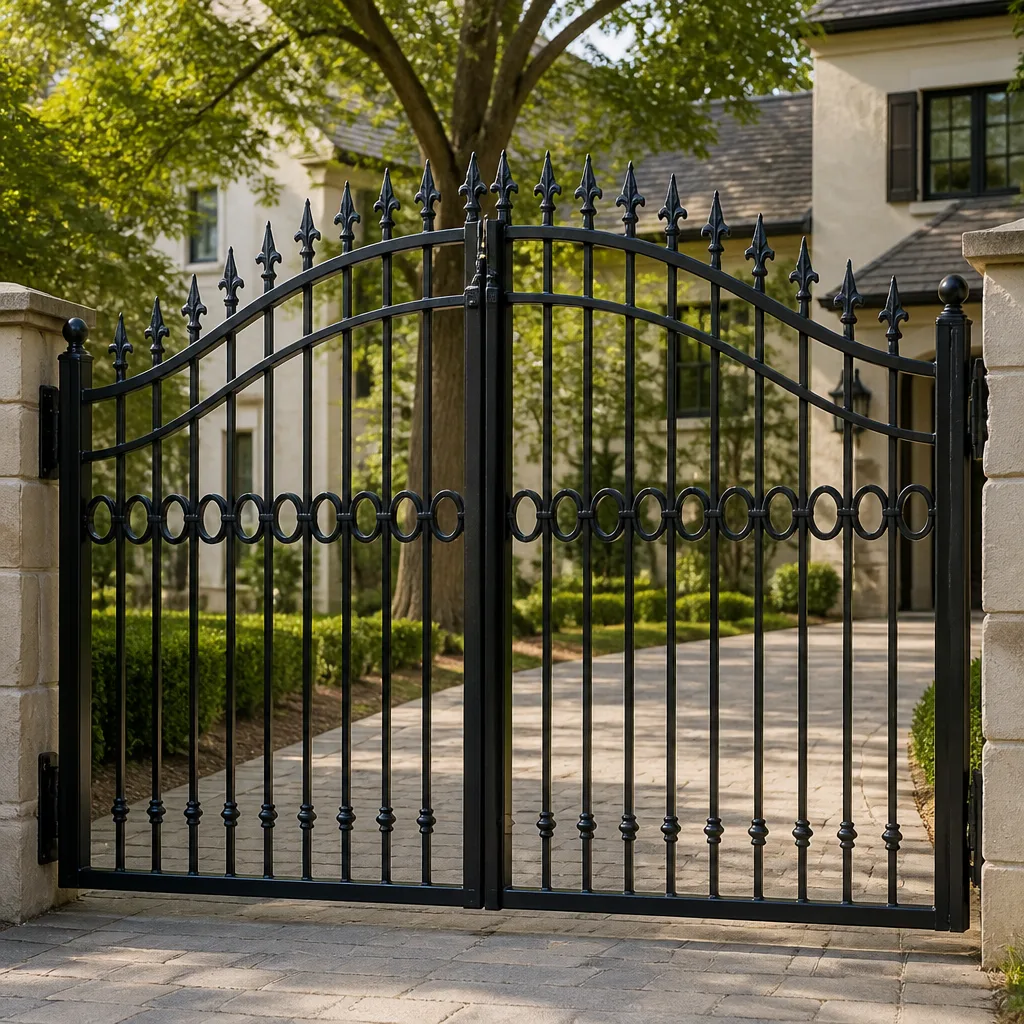 Wrought iron
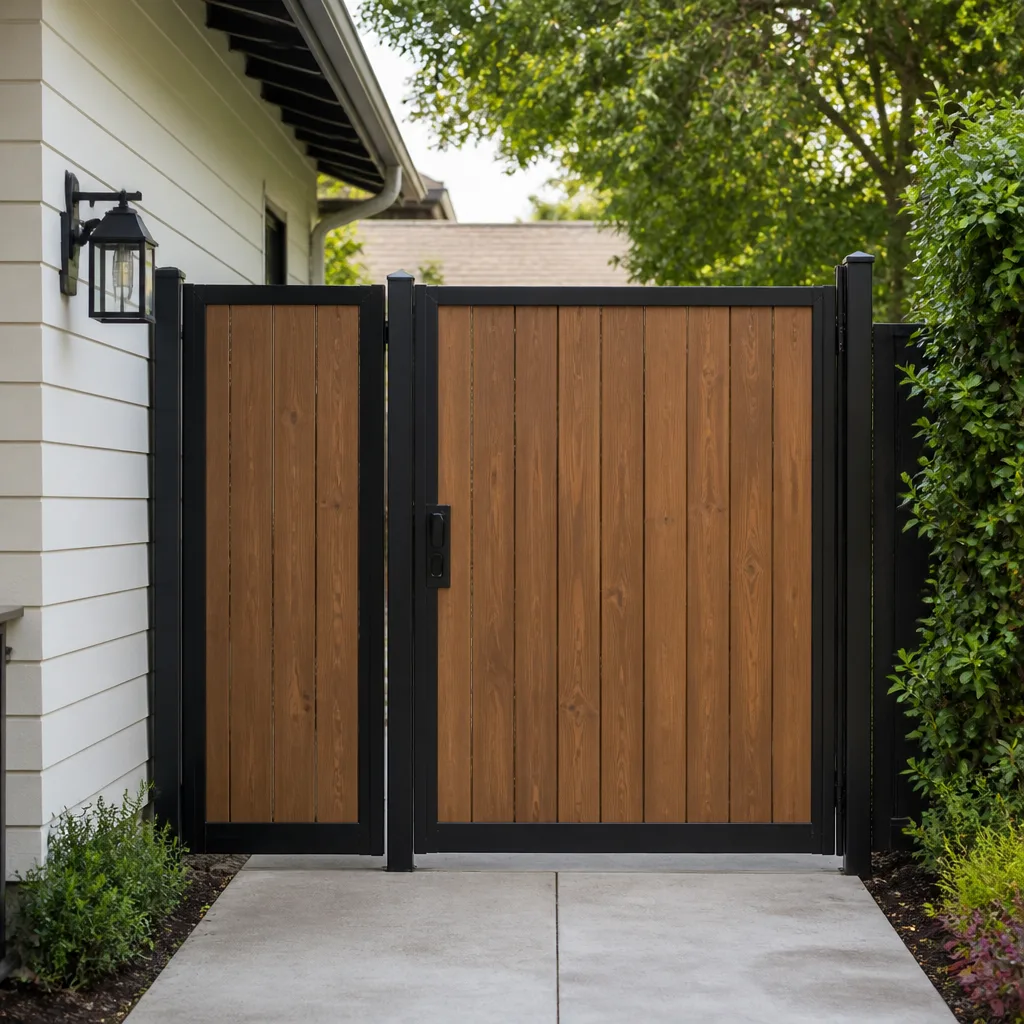 Wood & steel frame
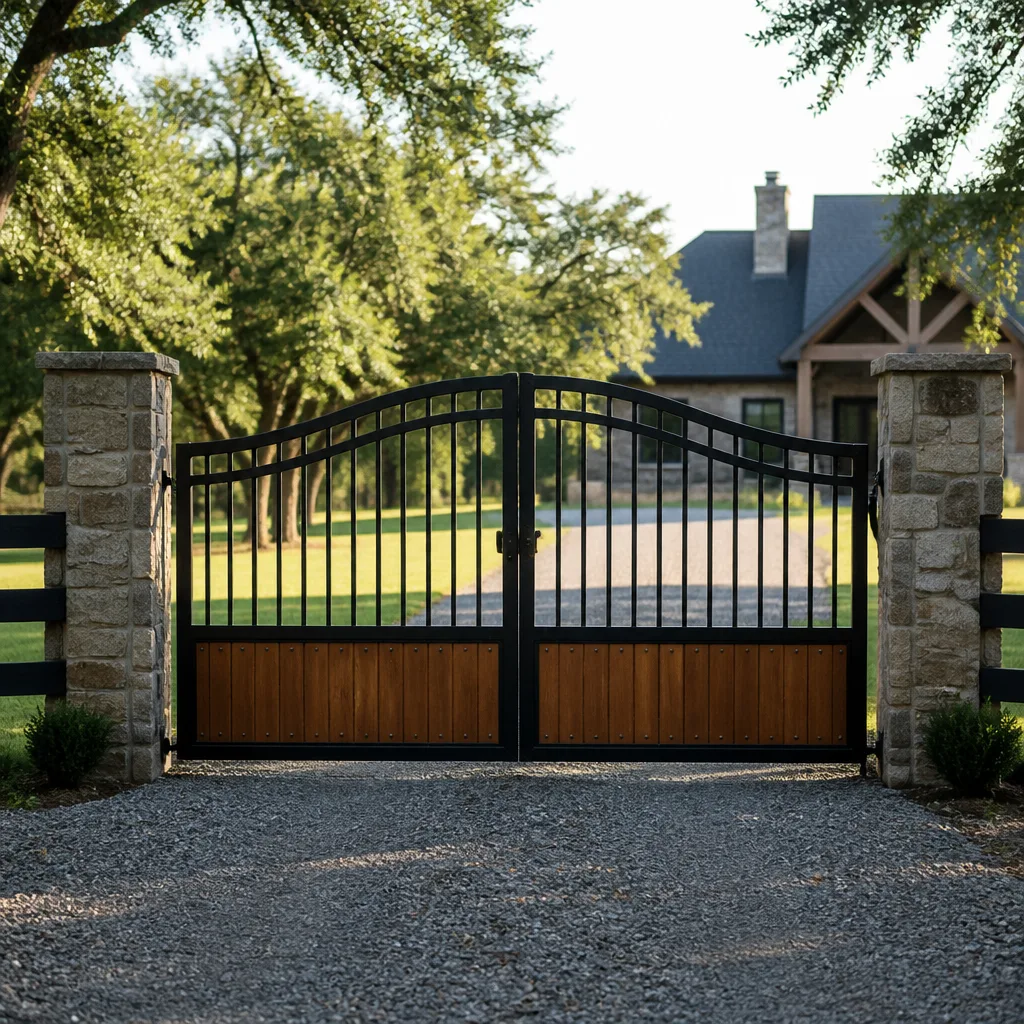 Farm & ranch
 Sliding driveway gates
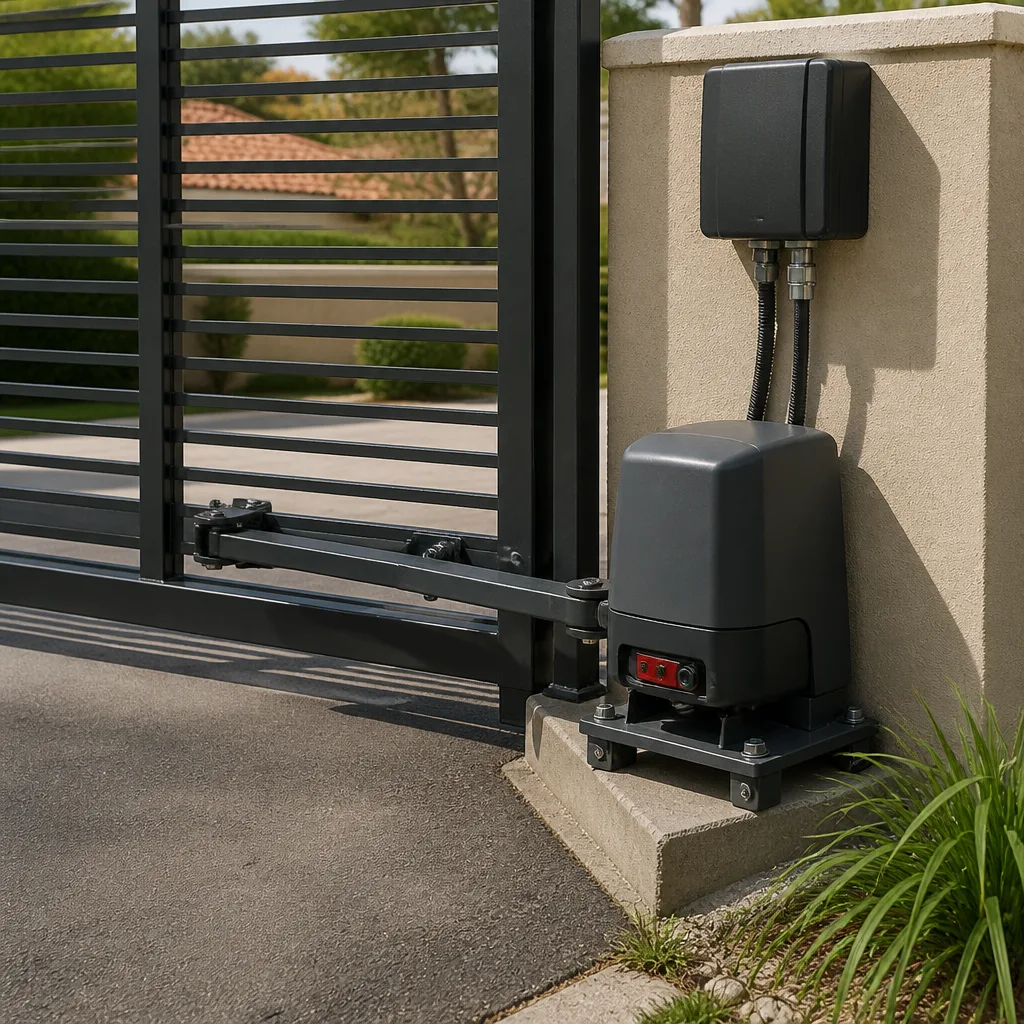 LiftMaster operators
Free on-site gate assessment - hinges, posts, and your LiftMaster or Nice gate operator checked before anything is quoted
The assessment is free and the quote is the invoice.
Get your free estimateHow to Hire a Gate Repair Contractor in Knoxville: A Step-by-Step Guide
A gate that won’t open looks like a simple fix, which is why so many people call the first fencing company they find. That’s usually the wrong call. In Knoxville, plenty of general fencing and handyman operations list “gate repair” on their websites, yet the technician who arrives may never have opened the housing on a DoorKing operator or traced a safety-loop fault on a LiftMaster system. The screening process in this guide is built around what actually separates a gate specialist from a generalist: parts inventory, brand familiarity, and contract terms. By the end, you’ll know the five questions that expose a pretender, what a legitimate service vehicle should carry, and the warranty language to require before anyone touches your gate.
Quick Answer
To hire a gate repair contractor in Knoxville, verify three things before you book: that the company works on gate operators as a core trade, that they stock or can source parts for your specific brand, and that their written quote separates parts from labor with warranty terms on each. Skip anyone who charges a diagnostic fee before explaining what that diagnostic covers. The right contractor will tell you over the phone whether your gate’s brand and symptom fall within what they handle.
Styles & brands we work with
- Wrought iron
- Wood & steel frame
- Farm & ranch
- Sliding driveway gates
- LiftMaster operators
Table of Contents
- Why a Gate Specialist Beats a General Fencing Company
- The Five Interview Questions That Expose a Generalist
- What a Legitimate Gate Contractor’s Service Vehicle Should Contain
- Red Flags in Quotes: Line Items That Show They Don’t Know Your Gate
- How to Verify Brand Familiarity for Major Gate Manufacturers
- Contract Language to Require Before Any Repair Begins
- Knoxville-Specific Considerations for Gate Owners
- When a Gate Problem Is a DIY Job and When It Isn’t
Why a Gate Specialist Beats a General Fencing Company
A fence and a gate are different trades wearing similar clothes. A fencing crew builds panels, sets posts, and stretches chain link or wood. A gate technician diagnoses control boards, tests safety edges, replaces operator arms, aligns tracks, and reads the fault codes a motor throws when something’s wrong. Those are two different skill sets, and the overlap is smaller than most homeowners expect.
A gate is also the one part of your fence with moving parts, electricity, and weight that can crush. When a slide gate jumps its track or a swing gate stops mid-cycle, the cause could be mechanical, electrical, or a safety device doing exactly what it was designed to do. A general fencing company may replace a hinge or a latch without trouble. Ask them to troubleshoot a DoorKing access controller or reprogram a LiftMaster remote system and you’ll often get a blank look or a promise to “look into it.”
This is why Knoxville property managers who’ve been through one bad experience tend to ask a different opening question next time. Not “do you do gates?” but “which gate brands do you work on, and what’s on your truck for my brand?” A specialist answers without hesitation. A generalist starts hedging.
Gate-only focus also matters for the paperwork. A dedicated gate technician carries the tools and knows the failure patterns specific to gate operators: worn drive gears, misaligned limit switches, corroded control boards, dead batteries in solar setups, and safety sensors knocked out of alignment. That familiarity shortens the diagnosis and reduces the chance of a return visit. If you’re comparing options, start with a company that treats Knoxville Gate Repair as its entire trade rather than a sideline.
The Five Interview Questions That Expose a Generalist
You can separate a gate specialist from an opportunist in about five minutes on the phone. Ask these questions in order and listen for specifics. Vagueness is the tell.
- “What brands of gate operator do you service most often?” A specialist names brands without pausing. Listen for names like LiftMaster, DoorKing, FAAC, or Elite. If the answer is “all of them” with no specifics, they probably work on none of them regularly.
- “Do you carry parts for my brand, or do you have to order them?” A real answer distinguishes between common parts (boards, batteries, remotes, sensors) and long-lead items. An honest “I’ll need to order that board, it’s a two-day part” is fine. “We’ll figure it out when we get there” is not.
- “Can you describe what a diagnostic visit covers?” A specialist walks you through it: cycle test, control board check, safety device test, mechanical inspection of hinges, tracks, and arms. A generalist says “we’ll take a look.”
- “Do you handle the low-voltage wiring and access control, or do you sub that out?” If they subcontract the electrical side, you’re now coordinating two companies and two invoices. A gate specialist keeps it in-house.
- “What’s your parts warranty versus your labor warranty?” Anyone who can’t answer this clearly on the first call will be worse at honoring it later. Get it in writing regardless.
Write the answers down. If you’re getting quotes from three companies, the one that gives you specifics on all five is your frontrunner, even if they aren’t the cheapest. Gate work rewards competence over price, and the follow-up call you avoid is worth more than the difference between bids.
What a Legitimate Gate Contractor’s Service Vehicle Should Contain
When the technician pulls up, look at the vehicle. Not the logo or the paint job, but what’s visible when the back doors open. A vehicle set up for gate work carries a distinct inventory, and that inventory tells you more about the company’s real expertise than any license number on a business card.
What you should expect to see or hear about:
- Operator control boards and common replacement modules for the brands they service most
- Backup batteries and solar charging components for the brands they stock
- Remotes and receivers ready to pair and test on site
- Safety edge and photo-eye sensor kits, not just replacements ordered after the fact
- Gate-specific hand tools: different hinge wrenches, alignment bars, and track gauges than a fencing crew uses
- A multimeter and low-voltage test gear for tracing wiring faults and verifying operator inputs
The logic is simple. A company that services gate operators every week carries the parts those operators need, because running to the supply house for every job costs them money. A company that treats gate repair as an occasional add-on buys parts per job and passes the delay on to you. When the technician can swap a failed control board out of what’s already in the vehicle and leave you with a working gate that afternoon, that’s the inventory signal in action.
We carry parts for the brands we service. That’s not marketing. It’s how a gate-only operation stays viable, and it’s a reasonable thing to ask about directly before you book.
Red Flags in Quotes: Line Items That Show They Don’t Know Your Gate
Ask for a written quote and read it line by line. Most gate work is straightforward to itemize, and a quote that doesn’t itemize is one you can’t verify. Here’s what to scrutinize.
Red flags to watch for:
- One lump sum with no parts/labor split. You can’t tell what you’re paying for or which warranty applies to what.
- “Gate spring replacement” on a slide gate. Slide gates don’t have springs to replace. This line item alone tells you the quote was written by someone who doesn’t understand the device.
- “Adjust gate tension” without specifying what mechanism. Swing gate torsion springs are a specific, real component; slide gates use different mechanisms entirely. Vague tension language is a sign of guessing.
- No mention of safety devices. If a repair touches the operator, a proper quote should include testing the photo-eyes and safety edges, or note that they’ll be checked.
- Labor quoted as a flat percentage of parts rather than actual hours or a standard service rate.
- “Diagnostic included if you proceed.” Fine in principle, but get the diagnostic fee in writing before anyone shows up, along with what happens to that fee if the work goes ahead.
- No warranty terms on the quote itself. A verbal “we stand behind our work” is not a warranty. Warranty terms belong in the written quote, not a follow-up email.
The most expensive quote is rarely the one with the biggest number. It’s the one you have to redo because the diagnosis was wrong. If your gate is broken and you need a repair diagnosis from a specialist, look for gate repair handled by technicians who work on your brand routinely.
How to Verify Brand Familiarity for Major Gate Manufacturers
Gate automation is dominated by a small set of manufacturers, and each brand has its own quirks. A technician who works on LiftMaster every week knows the diagnostic patterns and the parts. One who’s never opened the housing won’t, even if they’re a skilled electrician.
Ask directly which brands they’ve serviced in the last month and how they got trained or familiar with each. Then cross-check. Here’s what most of the major brands cover, and where a technician familiar with them should be able to speak specifically:
- LiftMaster residential and light commercial swing and slide operators, plus wireless remote and access integration
- DoorKing heavier commercial and access-control systems common at HOAs, apartment complexes, and gated communities
- Elite residential swing and slide operators with their own control-board and remote differences
- Mighty Mule DIY-friendlier residential operators, where aftermarket installs often need careful diagnosis
- FAAC and BFT European-influenced commercial-grade automation seen on higher-cycle properties
- Linear and Viking mid-range and commercial operator families with distinct accessory chains
You don’t need a certification number to verify familiarity. Ask what failure comes up most often on your model, and how they’d test for it. A specialist gives you a specific answer because they’ve seen the same fault many times. A generalist gives you a general one. We work on these brands every week, and the difference shows in the diagnosis, not the brochure. If you’re considering a new opener or a full motor replacement, gate motor & opener work should always be quoted per brand and model, not as a generic “motor swap.”
Contract Language to Require Before Any Repair Begins
Get the agreement in writing before the technician lifts a tool. A handshake is not a contract. Here’s what any gate repair agreement should cover, whether the work is a $150 sensor replacement or a full operator rebuild.
- Scope of work. A specific description of what’s being repaired or replaced, with brand and model noted.
- Parts and labor priced separately. This is essential for warranty claims later. If it’s one number, you can’t tell what’s covered.
- Parts warranty terms. Most manufacturers warrant their parts for a defined period; ask for the specific term on the part they’re installing. A one-year parts warranty is common, but verify; don’t assume.
- Labor warranty terms. This is the number contractors often omit. How long is their work guaranteed against the same failure? Get it in writing.
- Diagnostic fee policy. Stated upfront, and whether it’s credited toward the repair cost.
- Safety device testing. A line confirming photo-eyes and safety edges will be tested and any issues reported.
- Change-order process. What happens if the technician finds additional problems mid-repair. They should stop and quote you the new work before proceeding, not roll it into the final invoice.
The parts-versus-labor split matters most because parts warranties and labor warranties are typically honored by different parties. Manufacturers back their parts; the contractor backs their labor. Knowing which is which prevents a dispute later about who owes you a fix. Ask yourself: if this repair fails in six months, who do I call, and what do they owe me? The answer should be in the contract. Property managers reviewing this for a commercial install should note the same terms apply to a new gate installation.
Knoxville-Specific Considerations for Gate Owners
Gate work in Knoxville comes with its own set of local variables worth knowing before you hire. The area’s freeze-thaw cycles in winter aren’t extreme, but they’re enough to shift posts slightly, loosen hinges, and stress anchors on aging installations. That seasonal movement is a common source of misalignment complaints in spring.
Summer heat and humidity affect control boards and outdoor enclosures more than homeowners expect. Boards that run hot inside sealed boxes can fail faster here than cooler climates. The region’s clay-heavy soil in some areas also affects gate-post stability; a post set shallow will work loose sooner than one set to proper footing depth. That’s a construction detail during install and a diagnosis point during repair.
Property regulations vary widely across Knoxville and surrounding areas. An HOA community in Farragut, a commercial property near downtown, and a rural estate in west Knox County may face different requirements for gate height, setback, and electrical work. Ask your city or county about permits for electrical work on a gate operator’s power run, and ask the installer what they know about local requirements for your property type. A specialist operating in Knoxville regularly should be able to speak specifically to how these rules typically play out, not just wave the question off.
Knoxville also has a mix of gate types you don’t find uniformly in other markets: older manual swing gates on residential driveways, mid-range automated systems in HOA communities, and commercial-grade high-cycle operators at business entries. A company that can handle all three, rather than one, is the one to hire. Residential vs. commercial range is exactly the sort of scope question your interview question #1 should sort out.
When a Gate Problem Is a DIY Job and When It Isn’t
Not all gate issues require a service call. You can usually handle these yourself: pairing new remotes, replacing batteries in the operator or keypad, clearing debris from a slide gate track, tightening visible bolts on hinges and brackets, and resetting a tripped breaker when nothing else looks wrong.
Call a specialist for these:
- Operator runs but the gate doesn’t move. Usually a mechanical failure inside the operator or a disengaged drive.
- Gate stops mid-cycle or reverses for no reason. This is often a safety device doing its job; don’t disable it, diagnose it.
- Control board fault codes or repeated resets. Boards fail and need proper diagnosis, not guesswork swaps.
- Slide gate off its track or a swing gate that drags. Misalignment can cause weight to shift onto the operator and damage it incrementally.
- DoorKing or other access-control systems with keypad or intercom faults. These need someone who knows the specific system architecture.
- Anything involving the operator’s power run or wiring. This is a genuine safety matter. Operator enclosures and their high-voltage feed are not a DIY zone; a trained professional should handle any testing beyond a visual inspection.
The general rule: if the fix involves electricity, the operator housing, or anything that requires disconnecting a safety device, call a specialist. A gate that’s heavier than expected, or one that’s driven by a motor, is not a component to diagnose by trial and error. The risk of crushing and electrical shock is real and not worth the saved call-out fee. Our repair service covers manual and electric systems alike.
Common Mistakes to Avoid
- Calling the fencing company that built the fence. Fence builders and gate technicians are different trades. The company that installed your fence may not know the first thing about the operator bolted to your gate.
- Accepting a quote with no parts-labor split. If the invoice says one number, you’ve got no warranty clarity and no line of recourse if the repair fails.
- Booking without asking the brand question. A technician who doesn’t know your brand is learning on your property. Ask before you book, not after they arrive.
- Disabling a safety edge or photo-eye because the gate “keeps reversing.” That device is doing its job. Disabling it to get the gate moving creates a genuine crushing risk.
- Paying a diagnostic fee without knowing what it covers. Get the fee and the diagnostic scope in writing first, and ask if it’s credited if you proceed.
- Assuming a “gate repair” listing means gate expertise. In Knoxville, plenty of sites list it. Fewer than you’d think stock a single operator part. Ask what’s on the truck.
- Not getting labor warranty in writing. Parts warranties are common; labor warranties are where disputes start. Require both before any work begins.
See the difference
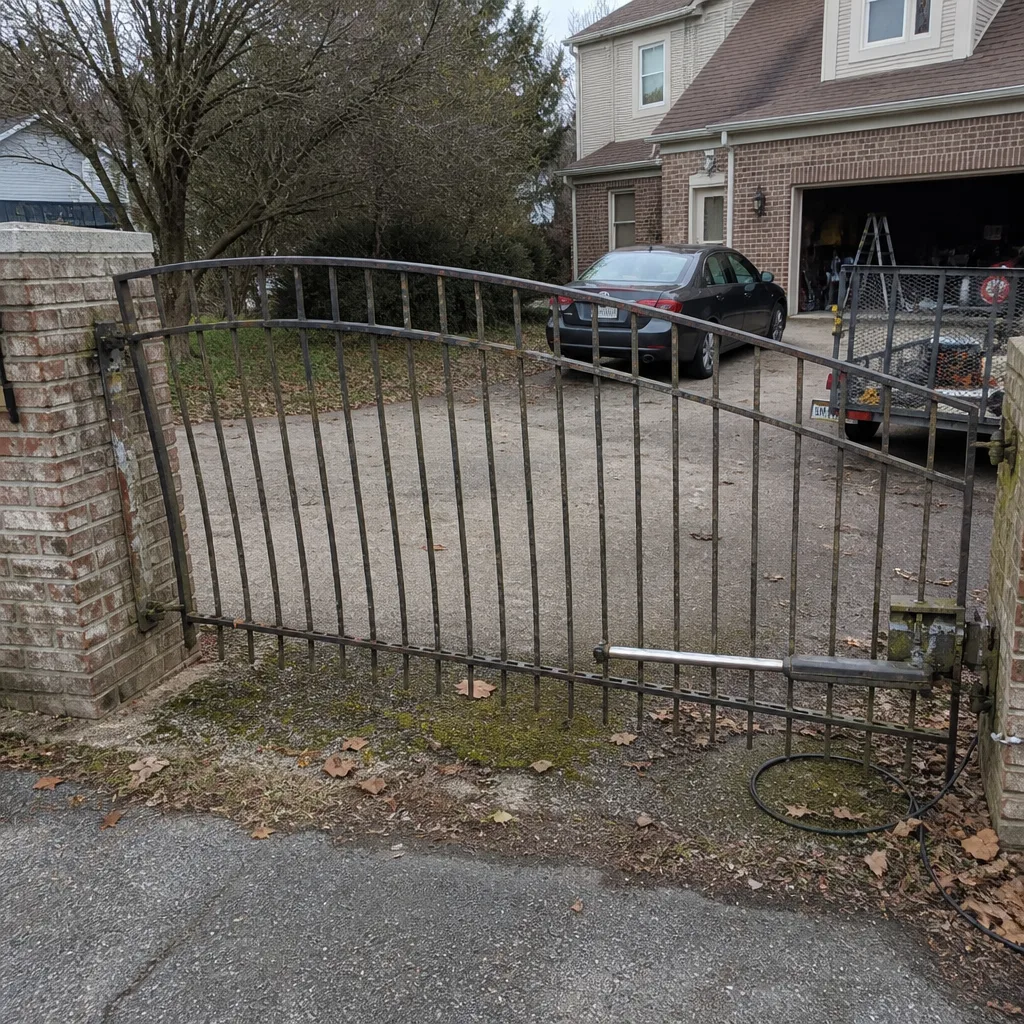 Before
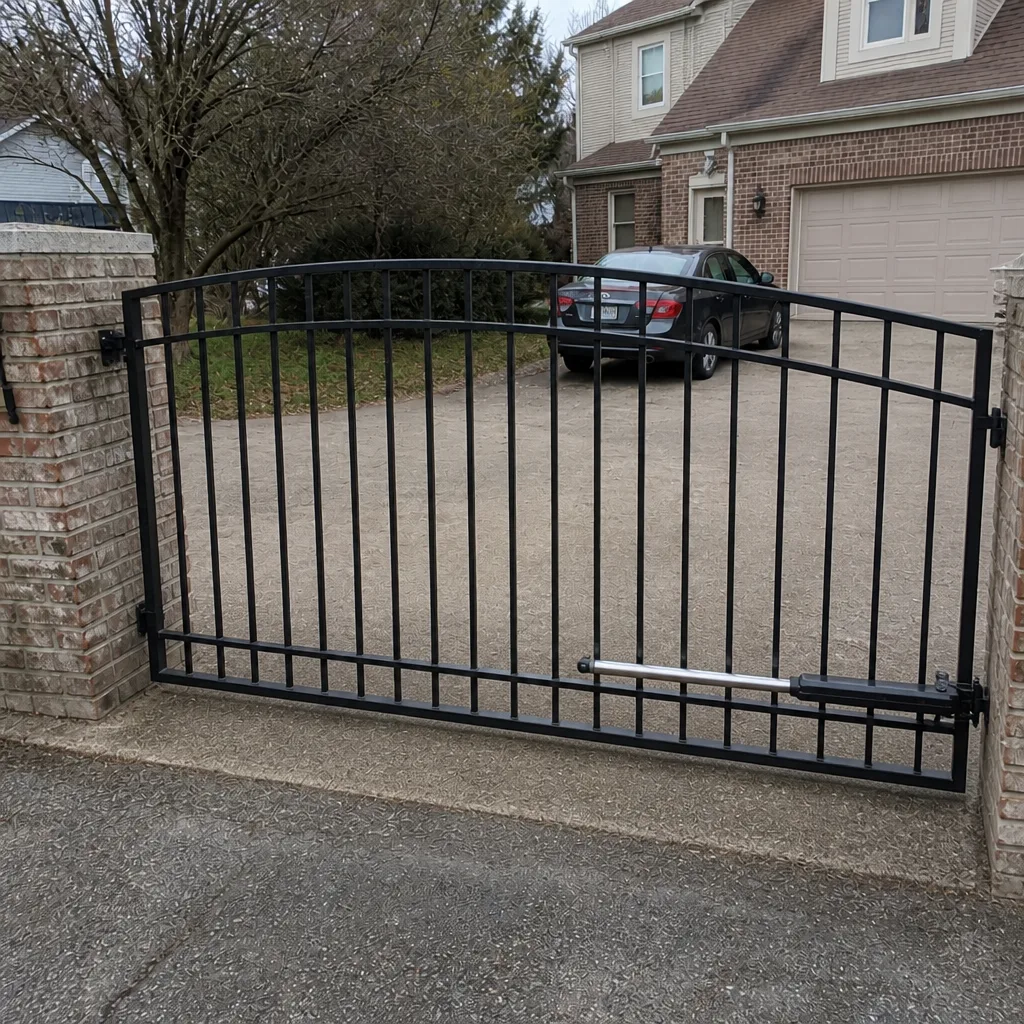 After
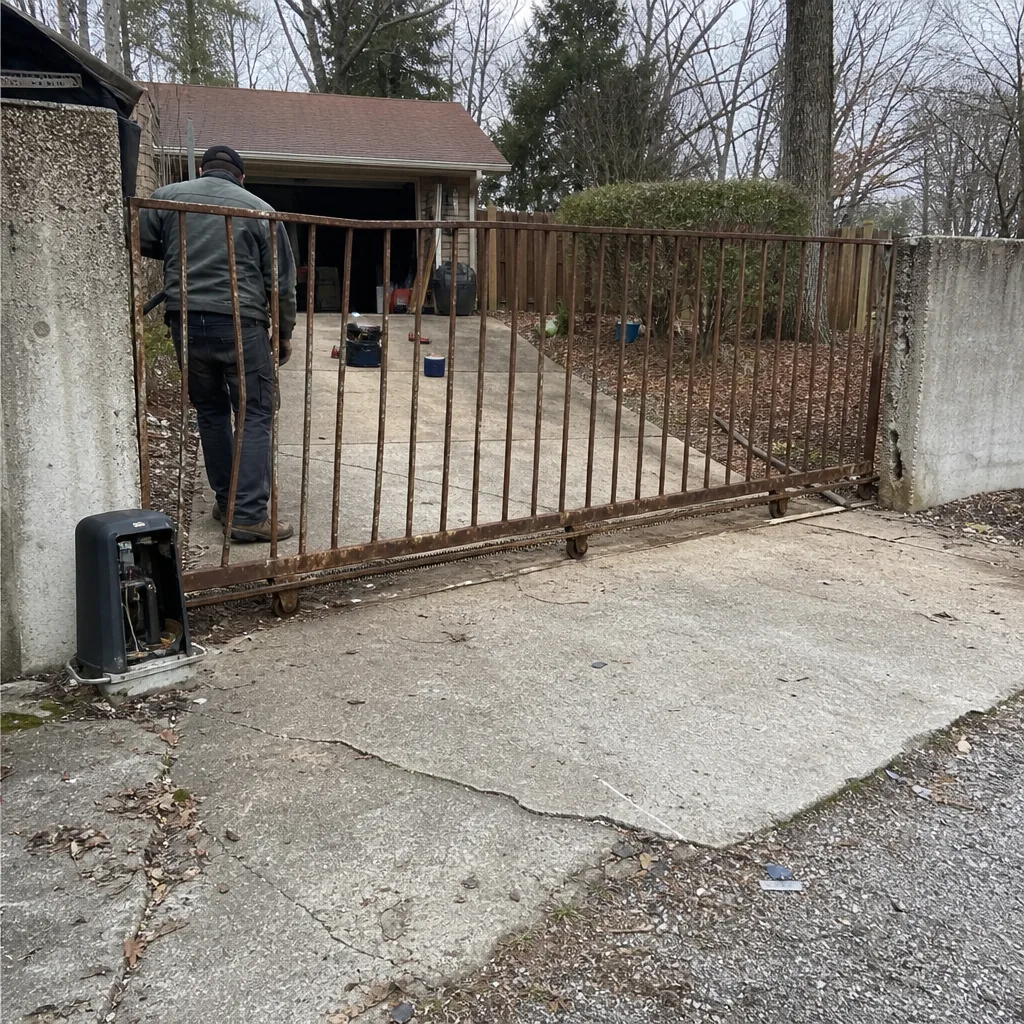 Before
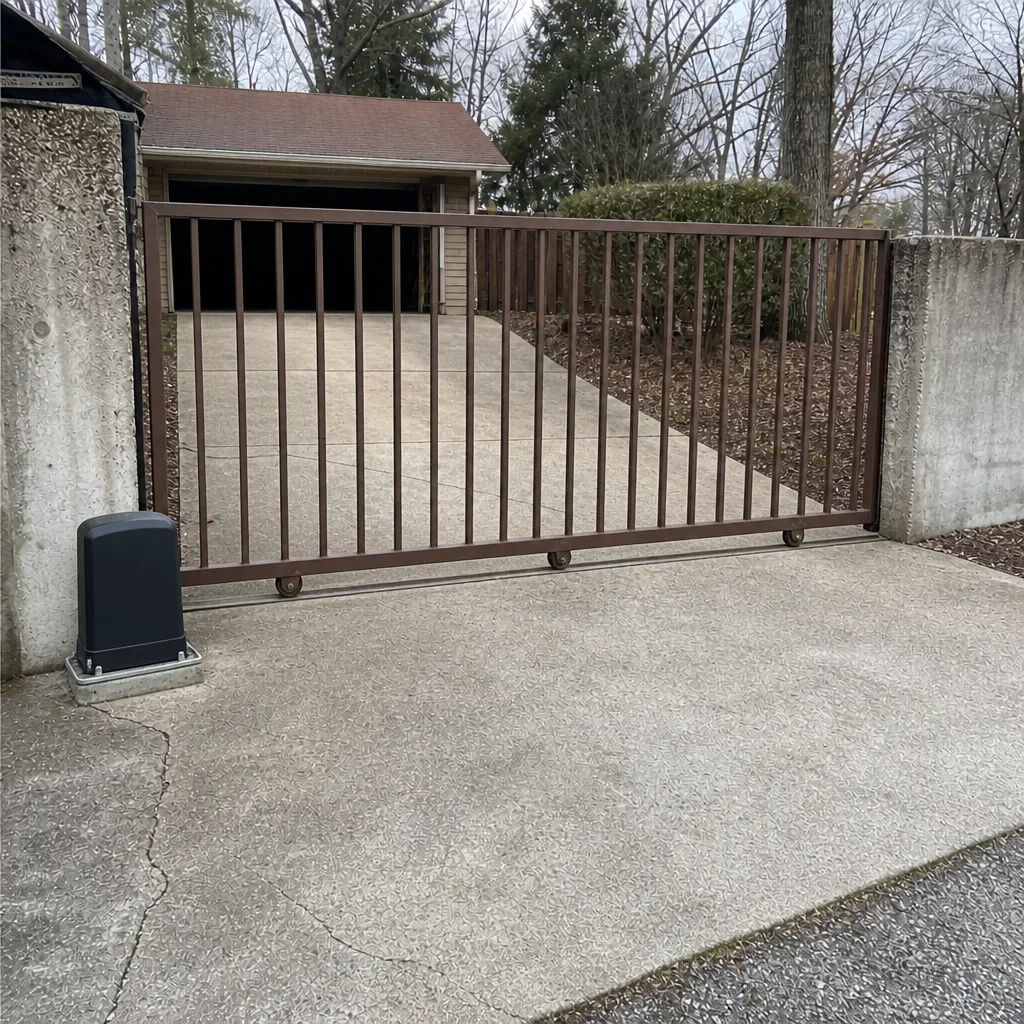 After
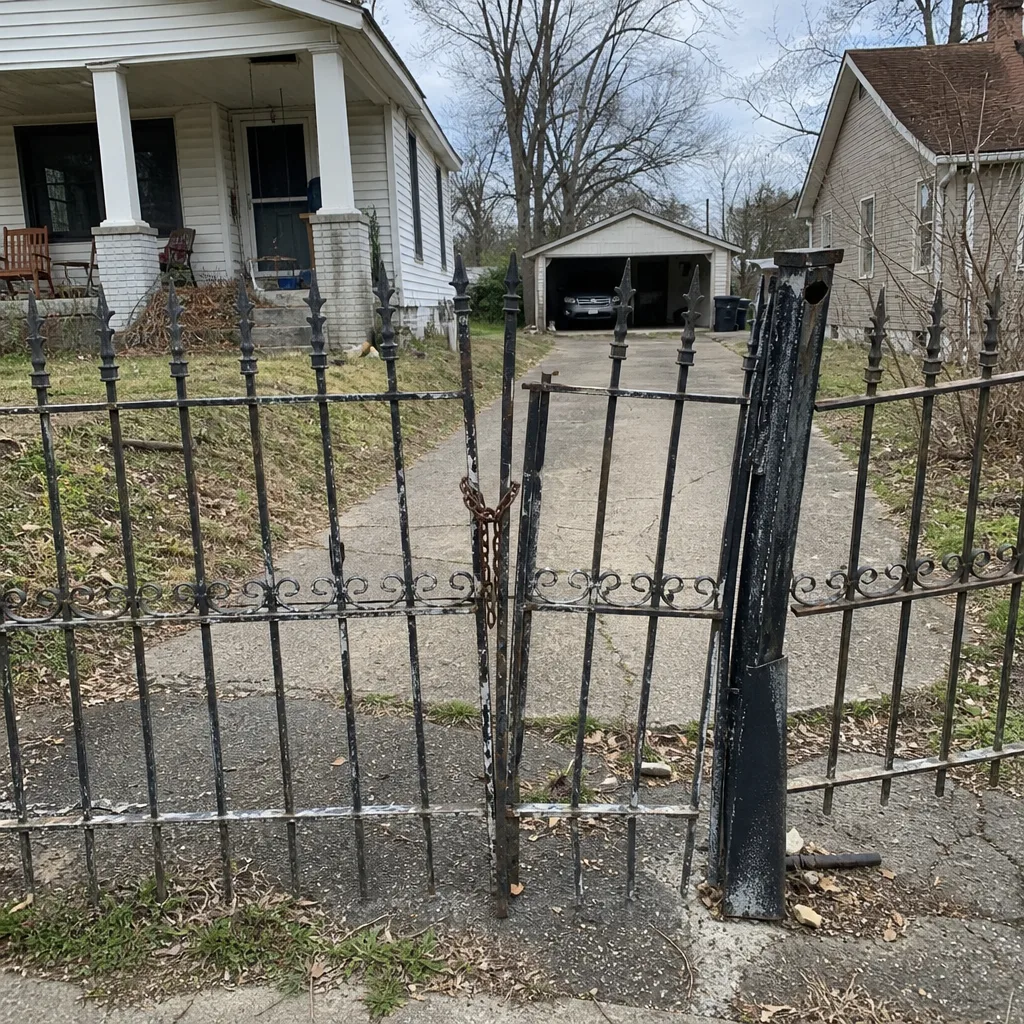 Before
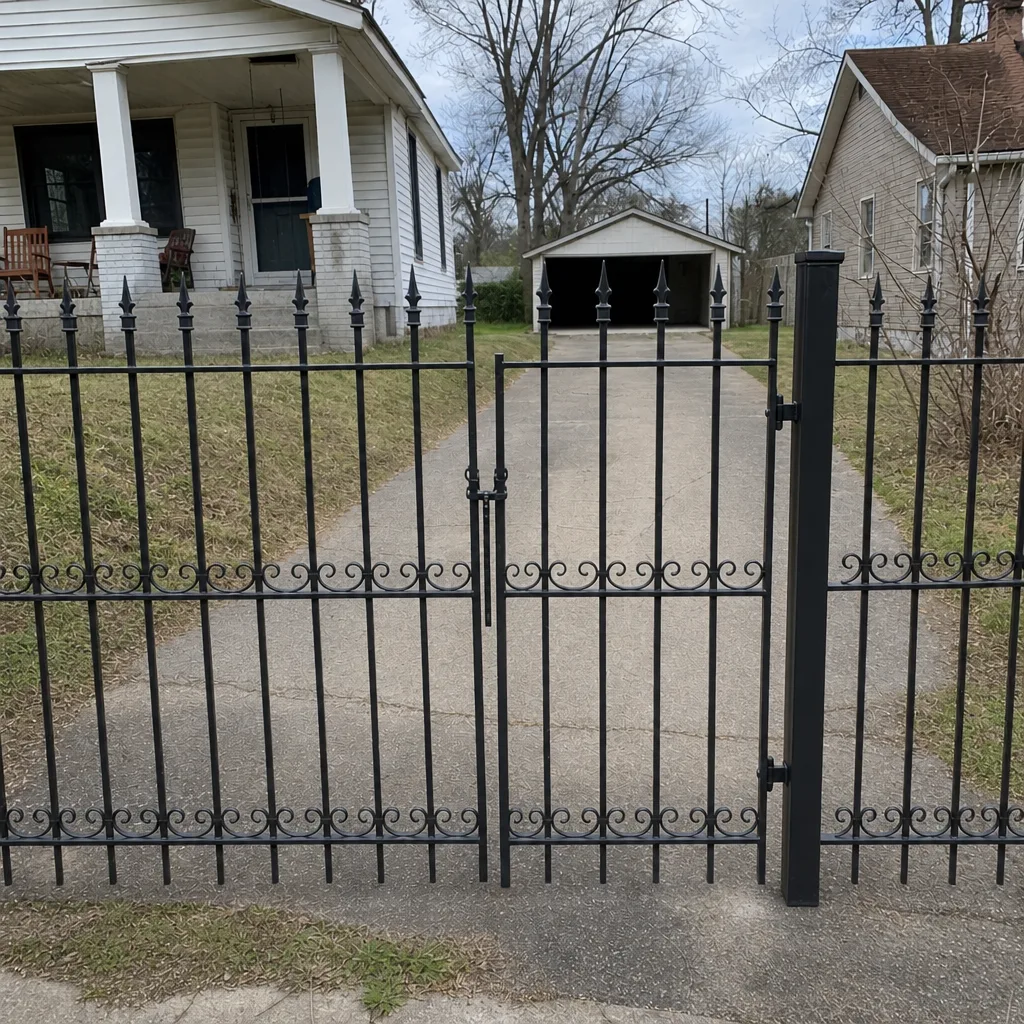 After
When to Call a Professional
Call a professional when the gate won’t open or close reliably, when it reverses endlessly, when the operator runs but the gate doesn’t move, or when the access-control system won’t recognize keypads, remotes, or intercom calls. Call when a slide gate comes off its track or a swing gate drags, because misalignment compounds quickly and can stress the operator. Call when the operator’s enclosure or its wiring has any issue; that’s an electrical matter and a trained professional should handle it. If you’re planning a new install or replacing an operator, call before you buy, so the model gets matched to your gate’s weight and cycle needs. Knoxville Gate Repair offers free estimates in Knoxville. Call (844) 625-7626 to book one.
Frequently Asked Questions
A real specialist has a gate-specific trade, names the brands it works on without hesitation, and can describe what a diagnostic visit actually covers. Ask which brands they service most often, whether they stock parts for your brand, and what their parts versus labor warranty terms are. A specialist answers all three specifically; a generalist stalls or gives you a general promise. The five-question screen in this guide is the fastest way to sort it out.
Repair costs in Knoxville depend heavily on the brand, the specific failure, and whether it’s a residential or commercial system. A simple sensor replacement or remote pairing runs less than a control-board swap; a full operator motor replacement costs more than either. The right way to price any gate repair is a free written estimate with parts and labor itemized separately, and a clear warranty on each. Don’t accept a single lump-sum number, and don’t proceed until you have the itemized quote in hand. For an exact quote on your gate, call (844) 625-7626; estimates are free.
A parts warranty covers the hardware: the control board, the motor, the sensors, the remote. The manufacturer backs it, and the term varies by brand and part. A labor warranty covers the contractor’s work: the time and installation. A company’s willingness to stand behind their labor is a real test of their confidence in their own work. Both should appear in the written estimate or contract before any repair begins, and you should be able to identify clearly which party owes you a fix if the repair fails.
Call a gate specialist before the manufacturer. We work on nine major gate automation brands: LiftMaster, FAAC, BFT, Linear, Viking, Ghost Controls, DoorKing, Elite, and Mighty Mule. That covers everything from entry-level residential swing gates to commercial access-control systems. If your gate’s brand is one of these, a specialist can diagnose, repair, or replace the part without a manufacturer referral. If it’s an unusual brand, call and ask; a gate-only company can usually tell you quickly whether it’s in scope.
Not usually. Replacing a battery or pairing a remote is fine. Anything that involves the operator housing, the control board, the safety devices, or the electrical feed is a professional job. A gate is heavy, some of it crushes, and its operator runs on line voltage. The cost of a service call is far less than the cost of an injury or a burned-out control board from a misapplied repair. If the gate won’t open reliably or reverses on its own, call a specialist rather than risking it.
Usually not broken. That’s often a safety device doing its job. Photo-eyes and safety edges trigger a reversal when something breaks the beam or presses the edge. That could be debris, a misaligned sensor, or a failing edge switch. Do not disable the device to make the gate move. Have a technician diagnose which safety device is triggering and why. It’s a quick diagnostic for a specialist and a genuine crush hazard if left bypassed.
The Bottom Line
The gate on your property is the most complex piece of the fence and the piece with the biggest safety stakes. Hiring right means asking about brands and parts, not about years in business. It means requiring a written estimate with parts and labor split out, a clear parts warranty versus labor warranty, and a firm safety-device testing step. It means reading your quote for line items that reveal a contractor doesn’t understand your gate type. And it means calling a gate-only specialist when the work touches the operator, the control board, or the wiring. Use the five interview questions, check the service vehicle inventory, and require the contract terms in this guide. In Knoxville, that process is what separates a repair from a repeat call.
Ready to put this to work? Knoxville Gate Repair offers free estimates for residential and commercial gates across Knoxville. Whether your gate has a failed operator, a misaligned track, or an access-control system that needs attention, call (844) 625-7626 and we’ll talk through your gate before anyone books a visit. Our technicians have up to 14 years of experience on the brands we service, and we quote the price and get your agreement in writing before any work starts.
Written by the team at Knoxville Gate Repair.